


BUSINESS &ECOMONY
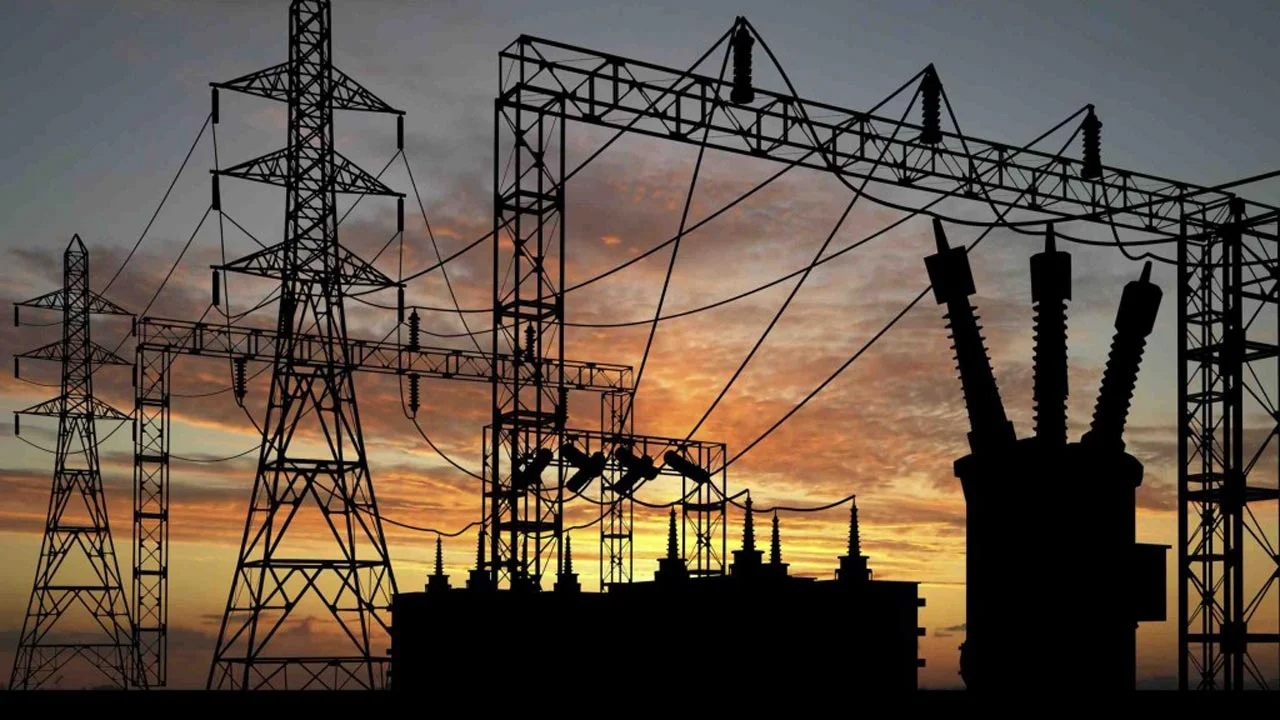
2025: FOURTH NATIONAL GRID COLLAPSE DISRUPTS NIGERIANS, BUSINESSES
Nigerians were hit by the fourth national grid collapse of the year on Monday, December 29, 2025, leaving large parts of the country in blackout.
The outage caused significant losses for businesses, companies, and households that rely on the national grid as their primary electricity source.
The collapse occurred around 2:02 pm, according to the Abuja Electricity Distribution Company (DisCo), affecting electricity supply across Abuja, Nasarawa, and Kogi states.
Following the incident, the Nigeria National Grid reported that electricity allocation to distribution companies increased from 50 megawatts in the afternoon to 2,958 MW by 10:17 pm. Restoration efforts saw the following allocations: Abuja DisCo 453 MW, Ikeja DisCo 447 MW, Eko DisCo 380 MW, Ibadan DisCo 354 MW, Benin DisCo 241 MW, Enugu DisCo 230 MW, Port Harcourt DisCo 210 MW, Kano DisCo 199 MW, Kaduna DisCo 191 MW, Jos DisCo 167 MW, and Yola DisCo 86 MW.
Despite these efforts, many Nigerians remained without power as major DisCos confirmed ongoing blackouts.
This fourth collapse in 2025 follows previous outages on February 12, March 7, and September 10, highlighting Nigeria’s persistent power sector challenges. The number of grid failures this year also exceeded twelve in the previous year, underscoring systemic issues.
Dr. Muda Muda Yusuf, CEO of the Centre for the Promotion of Private Enterprise, expressed concern over the latest collapse, noting the potential for significant business losses if power is not restored within 24 hours.
“We thought we had moved past this, especially since this year has been relatively stable. But now we face another collapse, which is not a good way to end the year. We can only hope it is resolved quickly,” he said.
Former Abuja DisCo spokesperson, Oyebode Fadipe, also voiced concern, describing the outage as troubling given the period of typically low electricity demand during the festive season.
Fadipe explained that while lower load during holidays generally eases grid stress, it does not eliminate the risk of outages. He cited major technical faults or external disruptions, such as vandalism of gas pipelines, as possible triggers, recalling similar incidents that had disrupted supply earlier this year.
He emphasized that repeated grid collapses reflect deeper structural problems within the Nigerian Electricity Supply Industry (NESI) and warned that 2026 may not see significant improvement without deliberate policy reforms.
“The collapse of the grid during a period of low load demand is concerning. Although many companies shut down for the holidays, a major fault or other disruptions can still trigger outages. The persistent instability highlights unresolved issues in the sector. The hope is that appropriate policies will be implemented to prevent further regression in NESI and ensure a more reliable electricity supply,” Fadipe said.
The latest collapse comes as the Minister of Power, Adebayo Adelabu, failed to meet the 2025 target of delivering 6,000 megawatts of electricity to the national grid.