


LAW & JUSTICE
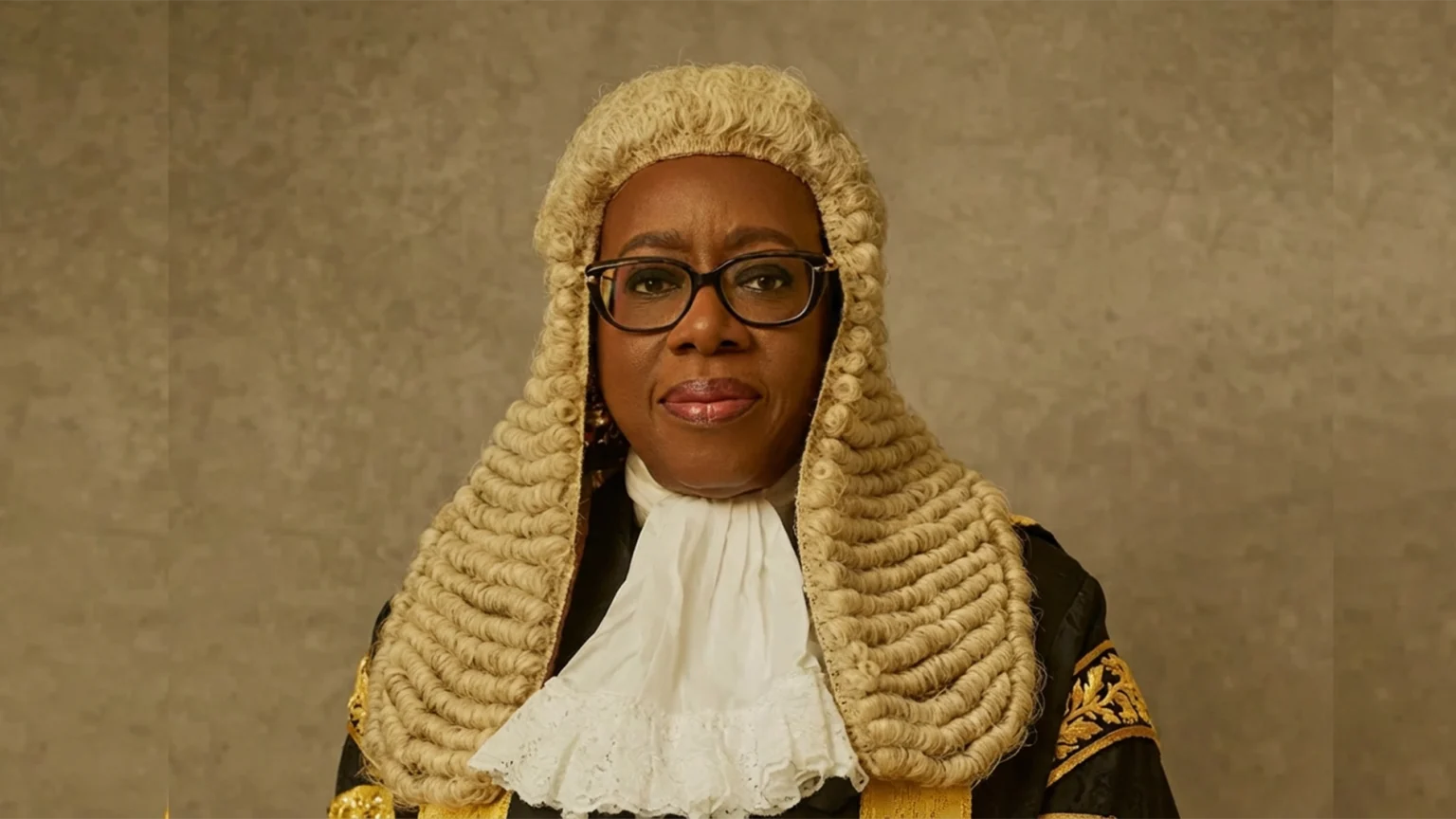
2027: CJN ASKS JUDGES TO AVOID CONFLICTING ORDERS, RULINGS THAT COMPROMISE JUSTICE
The Chief Justice of Nigeria (CJN) has urged judges across the country to avoid issuing conflicting court orders and rulings that could undermine justice, particularly as political activities intensify ahead of the 2027 general elections.
The warning highlights growing concerns about the role of the judiciary in resolving political disputes and the need for courts to maintain public confidence through impartial, consistent and lawful decisions.
The CJN stressed that judges must exercise caution when handling politically sensitive cases, ensuring that their decisions comply with established legal principles and respect the authority of courts of coordinate jurisdiction. Conflicting orders from different courts can create uncertainty, complicate the enforcement of judgments and weaken confidence in the judicial system.
The judiciary plays a critical role in Nigeria’s electoral process, particularly in resolving disputes involving party leadership, candidate nominations, election procedures and the interpretation of electoral laws. As political parties prepare for the 2027 elections, the number of cases requiring judicial intervention could increase.
Conflicting rulings in politically charged matters have previously generated controversy, with stakeholders raising questions about judicial consistency and the possibility of competing court directives being used to advance partisan interests.
The CJN’s position reinforces the need for judges to act independently and resist pressure from politicians, political parties and other interested parties. Judicial decisions, the warning implies, must be guided by the law and evidence presented before the courts rather than external considerations.
Legal experts have consistently emphasised that the proper handling of cases requires respect for judicial hierarchy, established procedures and the principles governing jurisdiction. These safeguards help prevent competing orders and ensure that disputes are resolved through recognised legal channels.
The warning also places renewed attention on the responsibility of the judiciary to protect the integrity of Nigeria’s democracy. Courts are expected to provide impartial remedies where disputes arise, while ensuring that their processes are not exploited to create confusion or obstruct lawful political activities.
As preparations for the 2027 elections gather momentum, the judiciary will face heightened scrutiny over its handling of political cases. Consistent rulings, timely decisions and adherence to due process will be essential to maintaining public trust.
The CJN’s appeal ultimately underscores the importance of judicial discipline and accountability in ensuring that the courts remain credible arbiters of disputes and that justice is not compromised by conflicting orders or politically motivated litigation.