


POLITICS
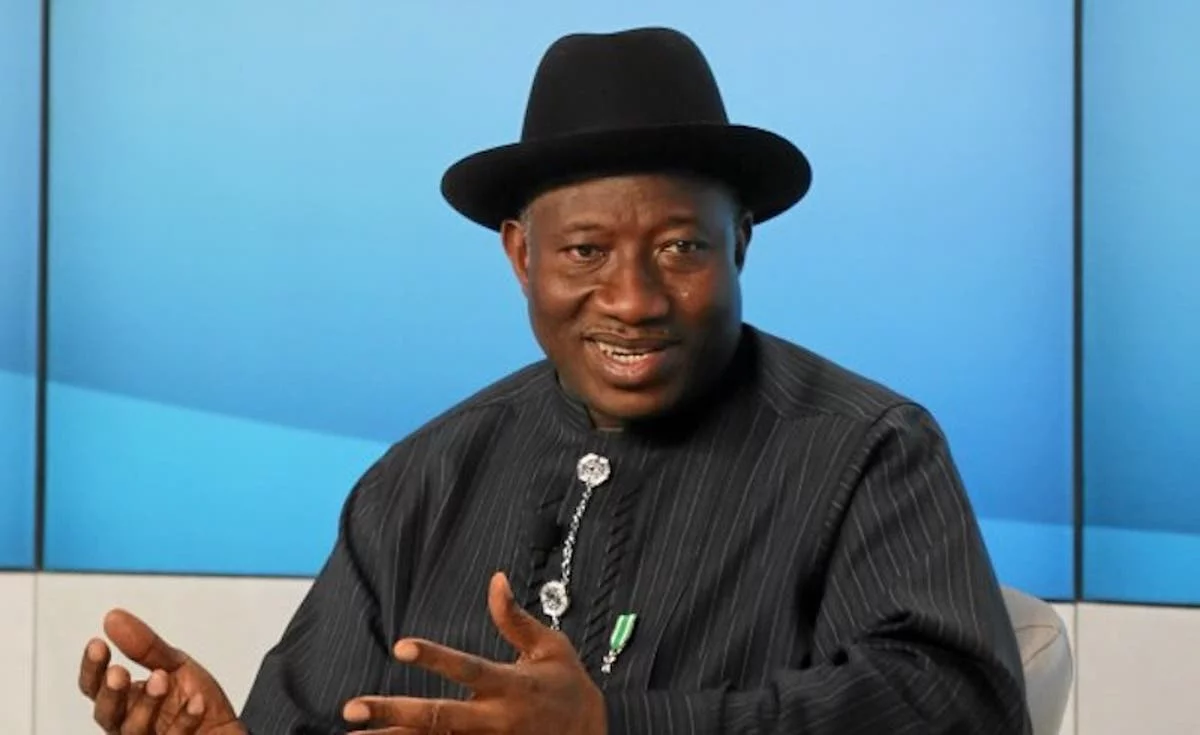
2027: JONATHAN SAYS HE WILL CONSULT WIDELY BEFORE DECIDING ON PRESIDENTIAL RUN
Former President Goodluck Jonathan has said he will consult widely before making a final decision on whether to contest the 2027 presidential election, following renewed calls from supporters urging him to return to the political stage.
Jonathan made the remarks on Thursday in Abuja after a group of supporters visited his office and formally appealed to him to enter the race.
The supporters cited his experience in office and his contributions to democratic development, arguing that his leadership would be valuable once again at a time of national uncertainty.
But Jonathan, while acknowledging their appeal, made it clear that the decision is not one to be taken lightly.
“Presidential race is not a computer game, but I heard you, and I will consult widely,” he said.
His response reflects both caution and political awareness, suggesting that while public pressure exists, any decision will depend on deeper reflection and consultation.
During his interaction with the group, Jonathan also used the opportunity to speak on broader national issues, particularly patriotism, peace, and credible elections.
He stressed that no country can develop without citizens who are committed to its progress rather than personal gain.
“It’s only patriotic citizens that build their nations,” he said, warning against actions that weaken national unity or trust.
He also emphasised that peace remains Nigeria’s most important need, especially as the country continues to prepare for future elections.
Jonathan urged young Nigerians to remain actively involved in democratic processes, particularly by participating in elections and advocating for fairness and transparency.
According to him, democracy only works when citizens trust the system—and when elections are conducted in a peaceful and credible manner.
“If we don’t have peaceful and credible elections, most good citizens will not want to bother to get involved in politics,” he warned.
His comments also touched on the broader responsibility of young people in shaping Nigeria’s political future, encouraging them not to disengage from governance.
Jonathan, who has continued to serve as an election observer in several African countries since leaving office, said his experiences across the continent have reinforced the importance of peaceful transitions of power.
He noted that he has participated in election monitoring in more than 14 African countries, observing democratic processes at different stages.
For him, the lesson has been consistent: stability and peace are the foundation of any functioning democracy.
Beyond politics, Jonathan also spoke about the need for long-term thinking in national leadership, leaders who consider not just the present, but the future generations that will inherit the country.
His remarks come at a time when conversations around the 2027 election are gradually gaining momentum, with various political actors being encouraged to declare or return to the race.
For now, however, Jonathan’s position remains open-ended.
He has not ruled himself in or out.
Instead, he has chosen a familiar political posture, consultation, reflection, and silence before decision.
And in Nigerian politics, that often means one thing: the conversation has only just begun.