


ENERGY
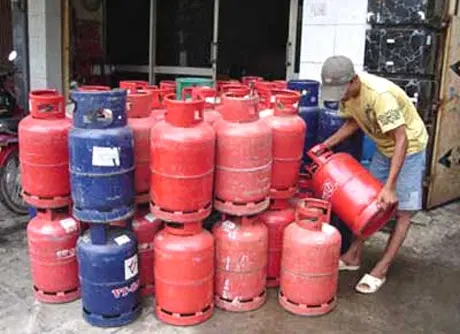
970M AFRICANS LACK ACCESS TO CLEAN COOKING — ENERGY EXPERT
An energy expert has raised concerns that approximately 970 million people across Africa lack access to clean cooking solutions, warning that the situation continues to pose serious public health, environmental and economic challenges across the continent.
The expert noted that millions of African households still depend on traditional cooking fuels such as firewood, charcoal and kerosene because of limited access to affordable and reliable alternatives.
The continued use of these fuels exposes families, particularly women and children, to harmful household air pollution, increasing the risk of respiratory diseases and other health complications.
The expert also highlighted the environmental consequences of traditional cooking methods, including deforestation, increased carbon emissions and pressure on natural resources.
Despite growing efforts to promote cleaner energy, access to modern cooking technologies remains limited in many rural and low-income communities, where the cost of equipment and fuel remains a major obstacle.
The expert called for increased investment in clean cooking infrastructure and the expansion of affordable alternatives, including liquefied petroleum gas, electricity, biogas and improved biomass technologies.
Governments were also urged to introduce policies that encourage private sector participation, strengthen distribution networks and make clean cooking equipment more accessible to households.
The challenge is particularly significant for countries such as Nigeria, where millions of households continue to rely on firewood and charcoal for daily cooking.
The expert stressed that improving access to clean cooking should be treated as an important development priority, noting that it would improve public health, protect the environment and reduce the economic burden associated with traditional cooking methods.
Stakeholders have called for stronger partnerships among governments, energy companies and development organisations to accelerate the transition to cleaner and more sustainable cooking solutions across Africa.