


BUSINESS EXTRA
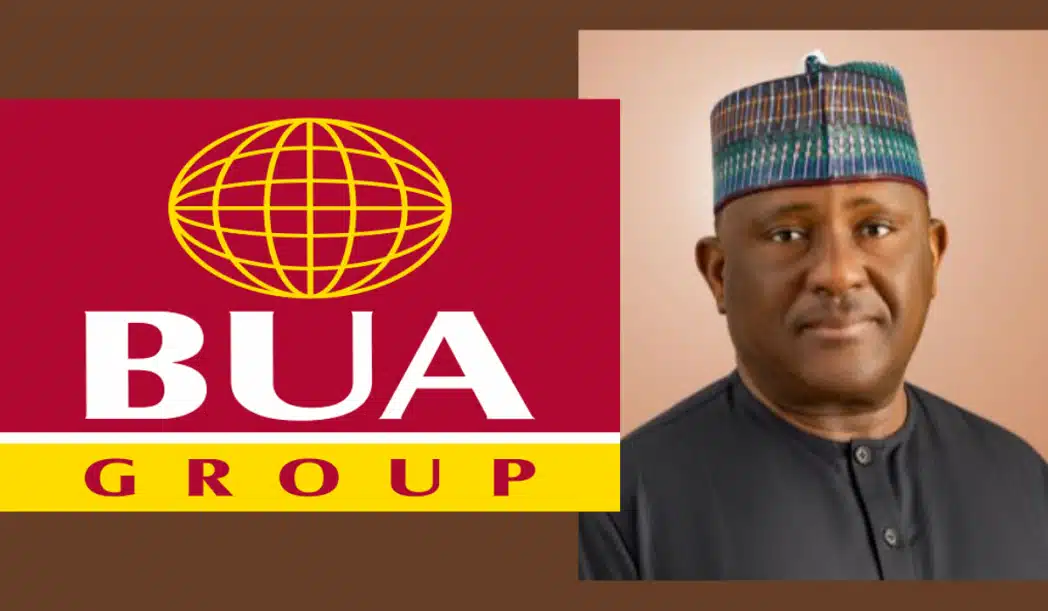
ABDUL SAMAD RABIU BECOMES AFRICA’S SECOND-RICHEST MAN
Nigerian billionaire Abdul Samad Rabiu has climbed to become the second-richest person in Africa, according to the latest Bloomberg Billionaires Index released on May 7, 2026.
The chairman of BUA Cement now has an estimated net worth of $19.1 billion, placing him just behind Africa’s richest man, Aliko Dangote.
The latest ranking also means Rabiu has overtaken South African billionaire Johann Rupert, whose reported fortune declined to $17.7 billion.
But beyond the numbers, Rabiu’s rise reflects something bigger—the growing influence of Nigerian-owned industries in Africa’s business landscape.
According to reports, his wealth increased by nearly $9 billion this year alone, pushing his global ranking to 138th among the world’s wealthiest individuals.
That kind of jump doesn’t happen by chance.
Analysts say much of the growth came from the strong performance of BUA Foods, one of the key subsidiaries under the BUA Group umbrella.
Despite a decline in revenue, the company recorded a notable rise in profitability during the first quarter of 2026, showing that efficient management and cost control can sometimes matter more than raw sales figures.
Reports linked the performance to improved operational efficiency, easing inflation, better pricing strategies, and a more stable foreign exchange environment.
In simple terms: the business became smarter with how it operated.
And investors noticed.
Rabiu’s success story is also a reminder of how much industrial production matters in an economy like Nigeria’s. Through the BUA Group, he has built businesses that touch critical sectors—from cement manufacturing to food production.
Today, BUA Cement stands as Nigeria’s second-largest cement producer, while BUA Foods has grown into one of the country’s leading food manufacturing companies, particularly in pasta production.
That scale matters because industries like these don’t just create wealth for owners—they shape jobs, infrastructure, and economic activity.
Still, the rise of billionaires in Africa often sparks mixed reactions.
For some, it represents proof that African businesses can compete globally and create massive value. For others, it raises questions about inequality and whether economic growth is being felt widely enough by ordinary citizens.
And perhaps that’s the bigger conversation here.
As wealth grows at the top, how much of that growth truly reaches the average person?
For now, though, Abdul Samad Rabiu’s latest milestone marks another major moment for Nigerian business on the global stage—one that reinforces the country’s growing presence in Africa’s industrial and financial future.