


ECONOMY
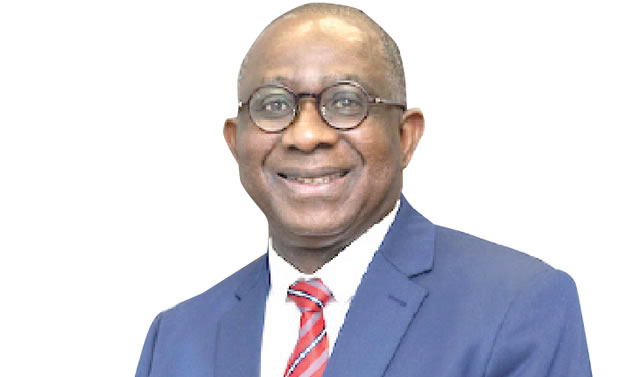
AJAOKUTA STEEL REVIVAL COULD TRANSFORM NIGERIA’S ECONOMY, ECONOMIST SAYS
A leading economist, Banji Oyelaran-Oyeyinka, has stated that Nigeria could unlock massive economic benefits if the long-abandoned Ajaokuta Steel Company is revived through privatisation.
Speaking at a virtual international conference titled “The Ajaokuta Phenomenon in Tinubu’s Era: A Turning Point or Another Missed Opportunity?”, Oyelaran-Oyeyinka highlighted the enormous potential of the steel plant.
According to him, reviving Ajaokuta could generate up to $115 billion in GDP, save $9.1 billion in foreign exchange, and create about 70,000 jobs for Nigerians.
“These are not just numbers,” he said. “They represent real opportunities for growth, stability, and economic independence.”
For decades, Ajaokuta has been seen as a symbol of unrealised potential. Despite billions of dollars invested since the 1970s, the plant has failed to operate at full capacity or produce steel at a meaningful scale.
Oyelaran-Oyeyinka described the situation as unacceptable, especially for a country like Nigeria that spends around $4 billion annually importing steel.
“A country of over 200 million people without primary steel production is a serious setback,” he noted.
He strongly advocated for privatisation, arguing that government control has not delivered results over the years. Instead, he proposed that a capable Nigerian consortium, working with experienced international partners, should take over and manage the plant.
To support his argument, he pointed to POSCO as a successful example of how private sector involvement can transform a struggling steel industry into a global powerhouse.
He also suggested that if reforms continue to face resistance, Nigeria could adopt a model similar to the Dangote Refinery, where private investment drives large-scale industrial development.
Other experts at the conference echoed similar concerns. They warned that corruption, poor execution, and lack of accountability have been major reasons why Ajaokuta has remained inactive for over four decades, despite being nearly completed.
The consensus was clear: Nigeria does not lack plans or ideas, the real problem lies in execution.
With renewed interest from the current administration, stakeholders are urging the government to act decisively. According to Oyelaran-Oyeyinka, delaying further action could keep Nigeria dependent on imports and limit its industrial growth.
“The time to act is now,” he emphasized. “Reviving Ajaokuta is not just about steel, it’s about building a stronger, self-reliant Nigerian economy.”