


POLITICS &POLICY
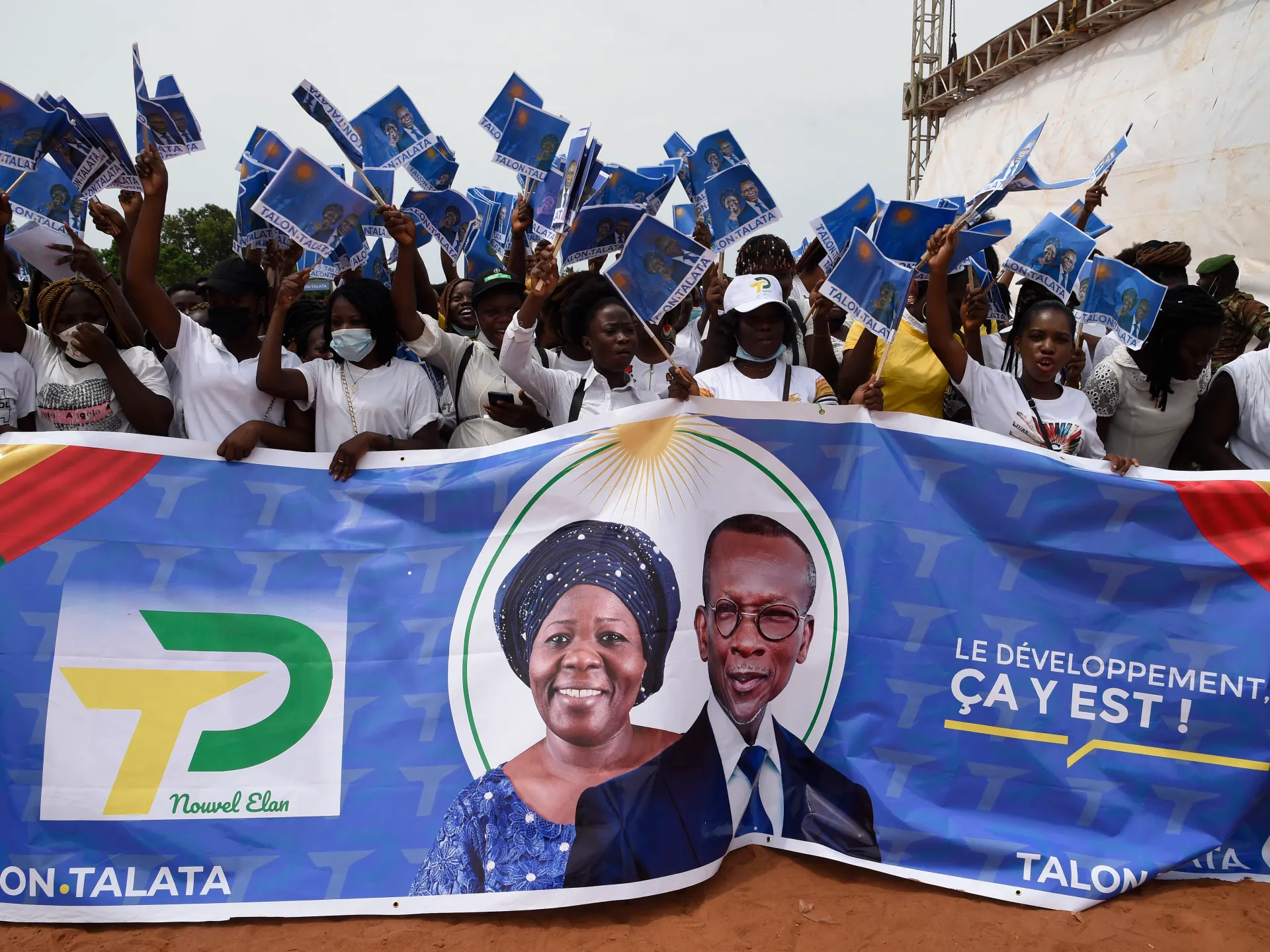
BENIN REPUBLIC HOLDS KEY ELECTIONS AMID POLITICAL TENSION
Benin Republic goes to the polls on Sunday for parliamentary and local elections that are expected to play a decisive role in shaping the country’s political direction ahead of the presidential election scheduled for April, just one month after a failed coup attempt unsettled the nation.
President Patrice Talon’s ruling coalition is widely tipped to strengthen its hold on power, particularly as the main opposition party, the Democrats, has been barred from participating in the local elections and the forthcoming presidential race after failing to secure the constitutionally required endorsement signatures. While the Democrats are contesting Sunday’s parliamentary elections, analysts say they could lose more ground to Talon’s three-party alliance, which already controls 81 of the 109 seats in the National Assembly.
The elections are taking place in a tense atmosphere following an attempted coup by army mutineers on December 7, which was swiftly put down by Benin’s military with support from Nigeria and France. Although calm has since returned, the episode has heightened political sensitivities across the country.
Talon, who has been in power for nearly a decade, has overseen notable economic growth, but his administration has faced criticism from rights groups and opposition figures over alleged restrictions on political freedoms and civil liberties. Security concerns are also expected to weigh heavily on voters’ minds, particularly in northern Benin, where attacks by jihadist groups linked to Al-Qaeda, operating from neighbouring Burkina Faso and Niger, have increased in recent years.
Although the 67-year-old president is constitutionally barred from seeking another term, attention has shifted to his preferred successor, Finance Minister Romuald Wadagni, who is widely regarded as the frontrunner in the April presidential race. Wadagni is expected to face only one challenger, Paul Hounkpe of the FCBE party, a moderate opposition group that has entered into cooperation agreements with parties within the ruling coalition. FCBE candidates running in the parliamentary elections are also expected to align with the ruling bloc if elected.
A constitutional amendment passed in November extended the presidential term from five to seven years while retaining the two-term limit. Following Sunday’s legislative elections and the presidential vote in April, Benin will not hold any nationwide elections for several years, a situation the Democrats have criticised as effectively placing democratic freedoms “in quarantine.”
Political analysts warn that the opposition faces an uphill battle under the current electoral law, which requires parties to secure the support of at least 20 per cent of registered voters in each of Benin’s 24 electoral districts to qualify for parliamentary representation. Beninese political scientist Joel Atayi Guedegbe said the threshold is “largely insurmountable” for parties outside the ruling coalition and noted that the Democrats have also been weakened by internal divisions compared to their performance in the 2023 elections, when they won 28 seats.
Concerns have also been raised by human rights groups ahead of the vote. Amnesty International’s executive director in Benin, Dieudonné Dagbeto, warned that civic space in the country is shrinking, citing alleged attacks on independent media and the arbitrary arrest and detention of individuals for expressing dissenting views. Members of the ruling majority, however, have dismissed these allegations, insisting that the elections will be free and fair.