


POLITY
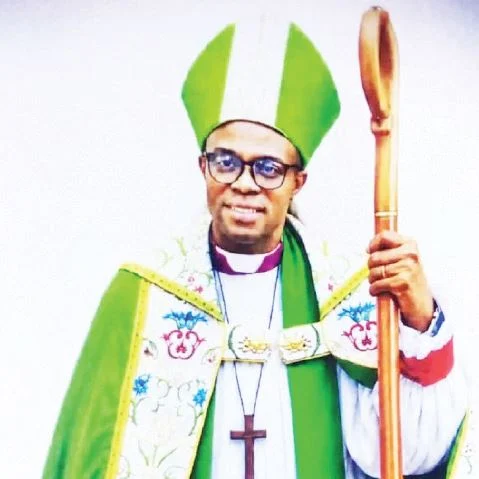
BISHOP REJECTS ALLEGED ISLAMISATION, SHARIA POLICY
The Bishop of Anglican Diocese of Calabar; His Lordship, Prof. Nneoyi Egbe, has rejected alleged attempt to Islamise Nigeria and integrate sharia laws and financial systems into the country’s economy.
He stated this at the end of the three-day third session of the 12th Synod of the diocese at the Holy Trinity Anglican Communion in Calabar, Cross River State.
Egbe said the proposed integration of Sharia into Nigeria’s financial regulations would not guarantee transparency and accountability.
He said, “This move will not enhance clarity, credibility, accountability, or transparency as claimed. We again say No to Islamisation of our country. We cannot continue this dance of death with the deliberate intention to islamise this nation.”
The Bishop lamented that Nigeria had become a “two-tier nation” where the political elite live in comfort while the majority of citizens wallow in hardship.
“The first tier is the self-sufficient Nigeria, characterised by solar energy, private security, controlled systems, and comfort. The political class and few of the private sector cronies of theirs live in this tier. The second tier is Nigeria of survival, marked by darkness, bad roads, insecurity, poor healthcare, and uncertainty where the large majority of Nigerians live”, he added.
He accused leaders of prioritising personal comfort over national development, citing the reliance of Aso Rock on solar power while the national grid remains epileptic.
“They have chosen to insulate themselves from what is happening rather than engineer transformation of the nation,” Egbe said.
Egbe called on Christians to return to God in genuine repentance and to shun modern idolatries such as money, status, pleasure, fashion, technology and human rights.
He pointed out that political appointees, including the Chairman of the Independent National Electoral Commission (INEC), should emerge from a college of religious and traditional leaders, adding that any appointment should be by merit, ability and resilience over ethnicity and state of origin.
He expressed delight at developments in the diocese, including the establishment of a printing press, scholarships for indigent children, provision of boreholes in underserved communities, economic empowerment programmes, building a house for a widow, and reroofing a storm-damaged home.