


BUSINESS &ECOMONY
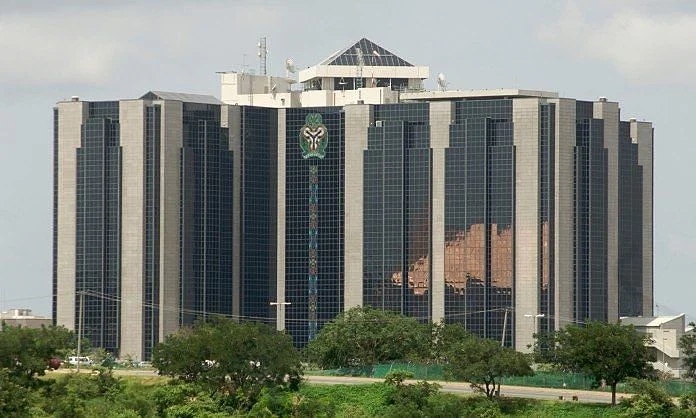
CBN STEPS UP LIQUIDITY MOP-UP WITH N1.5TN OMO OFFER
The Central Bank of Nigeria (CBN) has intensified efforts to manage liquidity in the financial system with a fresh N1.5 trillion offer through its Open Market Operations (OMO).
The move is part of the apex bank’s monetary policy measures aimed at reducing excess cash in the banking system and strengthening its control over short-term interest rates.
OMO transactions allow the CBN to influence the amount of money circulating in the financial system by selling securities to banks and other eligible investors. When financial institutions purchase these instruments, funds are temporarily withdrawn from circulation, helping to moderate liquidity.
The latest N1.5 trillion offer signals the regulator’s continued focus on liquidity management amid efforts to sustain monetary stability and contain inflationary pressures.
Excess liquidity in the banking system can increase the amount of money available for lending and spending, potentially putting pressure on prices and the foreign exchange market. By absorbing some of these funds, the CBN seeks to maintain tighter financial conditions.
However, the impact of the operation will depend on investor participation, the amount eventually allotted and prevailing conditions in the money market.
The development is expected to attract attention from banks, fund managers and other market participants as they assess the implications for short-term yields, investment decisions and borrowing costs.
The latest intervention also reflects the CBN's continued reliance on market-based instruments to regulate liquidity as it pursues its broader monetary policy objectives.