


BUSINESS
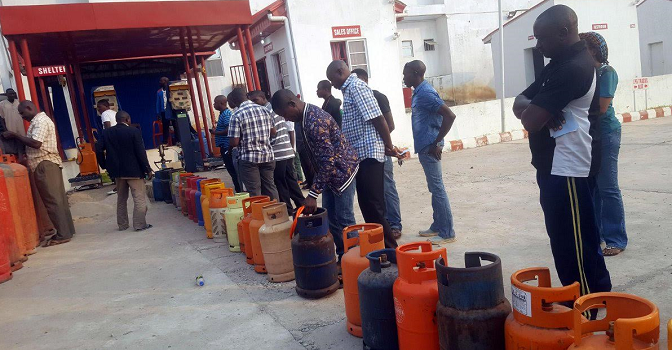
COOKING GAS SHORTAGE LINGERS DESPITE NEW IMPORTS, PRICES REMAIN HIGH
Despite recent importation of liquefied petroleum gas (LPG), popularly known as cooking gas, scarcity continues to affect supply across parts of Nigeria, leaving many households and businesses struggling with rising costs.
Market checks indicate that supply remains inconsistent in several urban centres, with consumers reporting difficulty accessing refilling stations at stable prices. The situation has led to queues in some areas, while others have experienced sudden price increases depending on location and demand.
Industry operators say the scarcity persists due to distribution challenges, logistics bottlenecks, and market adjustments following fluctuations in global gas prices. They note that even with fresh imports entering the country, the product does not immediately translate into uniform availability across all regions.
Dealers also attribute the situation to transportation costs and supply chain delays, which continue to affect the movement of LPG from depots to retail outlets. Some marketers argue that inadequate storage and distribution infrastructure is worsening the gap between supply and consumer demand.
Energy analysts explain that Nigeria’s growing demand for cooking gas has outpaced improvements in supply infrastructure, leading to periodic shortages. They emphasize the need for expanded domestic production capacity and better distribution networks to stabilize the market.
Consumers, meanwhile, have expressed frustration over the rising cost of refilling cylinders, calling on authorities to intervene and ensure price stability. Many households are increasingly turning to alternative cooking fuels due to affordability concerns.
Stakeholders in the sector have urged government and regulators to strengthen monitoring of the LPG market, improve logistics efficiency, and support investments that can enhance domestic supply reliability.
As demand continues to rise, experts warn that without structural improvements in supply and distribution, periodic scarcity may persist despite ongoing import efforts.