


247BUSINESS
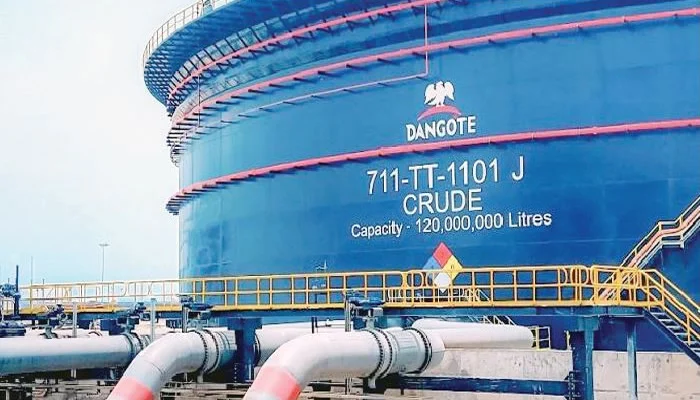
DANGOTE DUMPS NAIRA, BEGINS PETROL SALES IN DOLLARS
The Dangote Refinery has reportedly begun pricing and selling petrol in United States dollars for selected transactions, marking a significant shift from previous naira-denominated sales.
According to reports, the change is expected to apply primarily to transactions involving eligible bulk buyers and international trade arrangements, while industry stakeholders continue to seek clarification on the scope of the policy.
Market observers say the development could influence fuel pricing, foreign exchange demand, and the broader downstream petroleum sector if implemented on a wider scale.
Energy analysts noted that the move may reflect prevailing market realities, including crude oil procurement costs, exchange rate pressures, and the commercial requirements of refinery operations.
Industry stakeholders have called for clear communication on the implementation framework to help marketers, distributors, and consumers understand how the reported change could affect fuel supply and pricing.
The development has generated mixed reactions, with some operators arguing that dollar-denominated transactions could improve commercial efficiency, while others expressed concern over the possible impact on domestic fuel prices.
Experts also stressed the importance of maintaining a stable supply of petroleum products and ensuring that any pricing adjustments are implemented transparently.
The refinery has continued to play a major role in Nigeria’s fuel supply chain, with its operations expected to influence competition and product availability across the downstream sector.
Stakeholders are awaiting further clarification on the reported policy and its implications for marketers, businesses, and consumers.
The development adds a new dimension to ongoing discussions about fuel pricing, foreign exchange management, and the future of Nigeria’s petroleum market.