


BUSINESS &ECOMONY
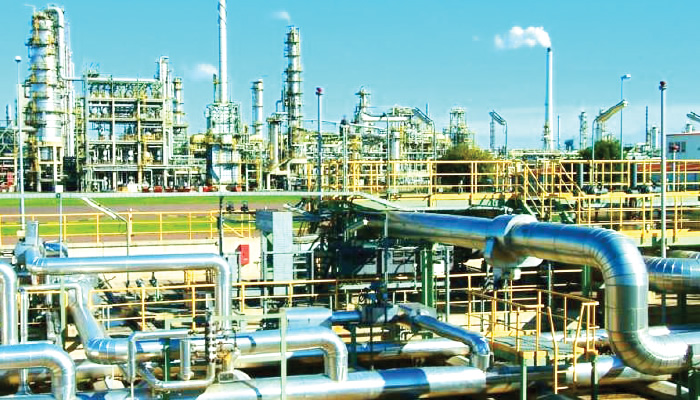
DANGOTE FACES PRICE WAR AS NNPC BACKS FUEL IMPORTS
The Nigerian National Petroleum Company Limited has opposed a lawsuit filed by Dangote Petroleum Refinery seeking to stop the issuance of fuel import licences, arguing that such a move could create a monopoly in Nigeria’s downstream petroleum sector.
In a counter-affidavit filed before the Federal High Court in Lagos, NNPC stated that petroleum products from the Dangote refinery are sold at significantly high and fluctuating market prices and warned that restricting imports could negatively affect competition and energy security.
The national oil company argued that Dangote refinery had not provided sufficient independent evidence to prove it could meet Nigeria’s entire petroleum demand without support from other suppliers.
NNPC maintained that fuel supply involves more than refining capacity, noting that storage, logistics, transportation, distribution, and strategic reserves are critical components of national energy security.
According to the company, relying on a single supplier could expose the country to fuel shortages, supply disruptions, price instability, and broader economic risks if operations are interrupted.
The company also defended the continued issuance of import licences by regulators, saying the Petroleum Industry Act permits such approvals and does not impose a mandatory ban on fuel imports.
NNPC further denied allegations that it had sabotaged Dangote refinery operations or deliberately withheld crude oil supplies, insisting that crude allocation is influenced by operational, commercial, and logistical considerations.
Meanwhile, the Petroleum Products Retail Outlet Owners Association of Nigeria backed NNPC’s position, arguing that competition is necessary to prevent price exploitation and ensure a stable fuel supply across the country.
PETROAN President, Billy Gillis-Harry, said a liberalised downstream market allows multiple operators to compete fairly, helping to moderate prices, improve efficiency, and protect consumers from monopoly practices.
On the other hand, the Crude Oil Refineries Association of Nigeria defended local refiners, arguing that companies that have invested heavily in refining infrastructure have demonstrated a stronger commitment to Nigeria’s energy sector than fuel importers.
The legal dispute follows Dangote refinery’s challenge against import licences issued by the Nigerian Midstream and Downstream Petroleum Regulatory Authority, despite its claim that it can meet most of Nigeria’s petrol demand through local production.