


BUSINESS
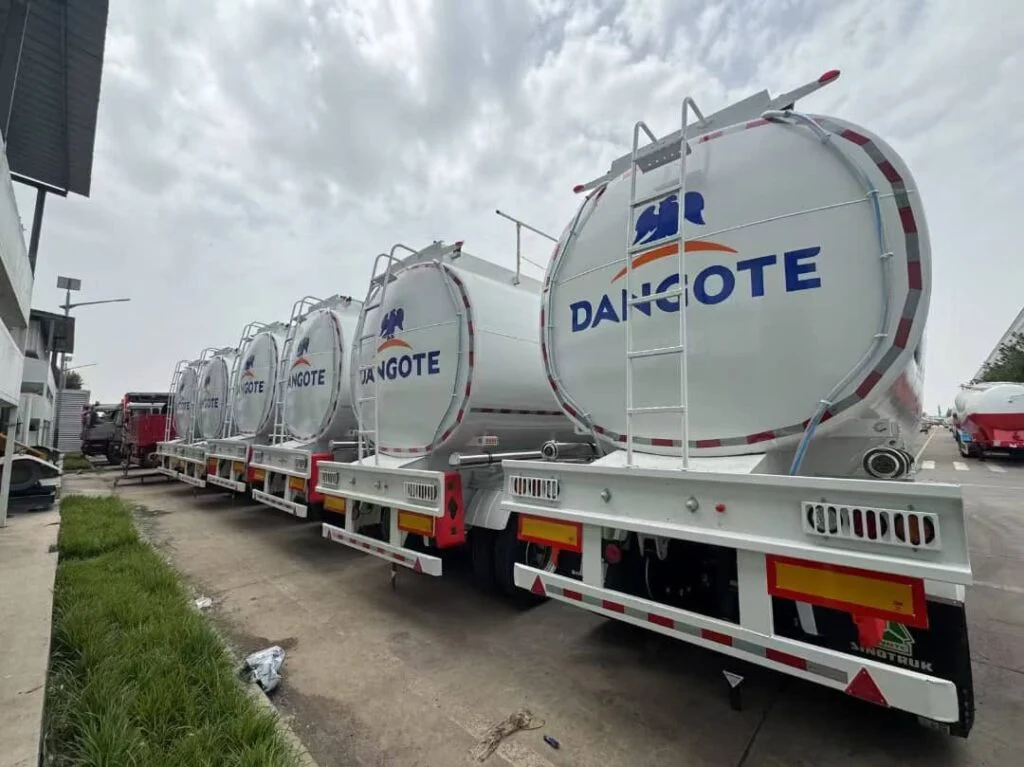
DANGOTE REFINERY FUEL DEAL WITH MARKETERS FAILS AMID IMPORT SPIKE
The fuel supply agreement between Dangote Petroleum Refinery and 20 major petroleum marketers, under which the parties were to collectively offtake 600 million litres of petrol monthly, has collapsed due to disagreements over pricing.
The breakdown coincided with a surge in petrol importation in November 2025, when total imports rose to 1.563 billion litres, according to the Nigerian Midstream and Downstream Petroleum Regulatory Authority (NMDPRA). The agency’s November fact sheet highlighted a sharp spike in imports during the period the pricing dispute intensified.
The deal, reached in October 2025, was a pilot scheme aimed at stabilising domestic supply and easing retail pump prices. Under the arrangement, each of the 20 marketers was to lift roughly 30 million litres monthly, with Dangote temporarily suspending direct sales to independent marketers, who could only buy 250,000 litres or less.
However, sources in the industry said the deal fell apart within a month as Dangote refused to adjust its gantry price in line with falling international benchmarks. Initially, petrol was sold at N806 per litre for coastal delivery and N828 per litre at the gantry. When international prices dropped in November, marketers expected a reduction to around N750 per litre, but Dangote’s delayed adjustments sparked increased imports.
Following the collapse, Dangote later cut its gantry price to N699 per litre, the lowest in 2025, but depot owners and smaller marketers who had purchased at higher prices faced losses. The breakdown also triggered public disputes over import licences, further straining industry relations.
Industry analysts note that the spot price of imported petrol has since fallen to about N696 per litre at Apapa, slightly below Dangote’s gantry price, creating opportunities for competitive pricing in the local market. Declines in Brent, WTI, and Bonny Light crude prices, coupled with a stronger naira, have contributed to easing import costs.
The refinery has now returned to an open-market model, allowing all marketers to purchase products directly, even in smaller quantities, as it seeks to stabilise distribution and avoid artificial price distortions.