


GOVERNMENT & POLICY
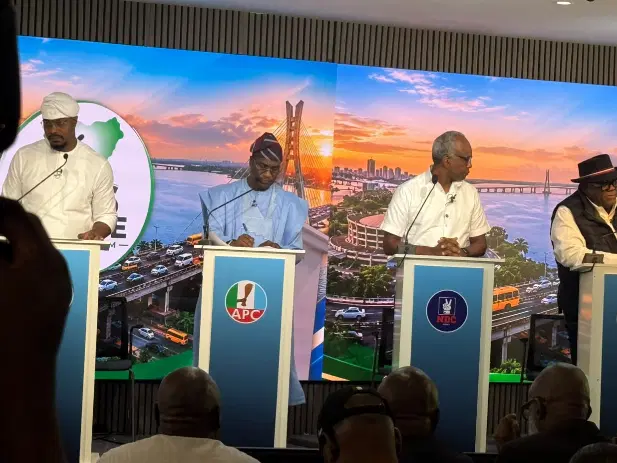
DEBATE: ‘AGBERO INTERESTS HOLDING BACK LAGOS PUBLIC TRANSPORT’ – NDC’S DOHERTY
A chieftain of the Nigeria Democratic Congress (NDC), Gbadebo Rhodes-Vivour's political ally and party figure Doherty, has criticised the influence of transport union interests in Lagos State, arguing that they are slowing efforts to develop an efficient and modern public transportation system.
Doherty's remarks have brought renewed attention to the challenges facing public transport in Lagos, where commuters continue to deal with traffic congestion, high transport fares, irregular services and concerns over the activities of informal transport operators.
The term "agbero" is commonly used to describe transport touts and individuals who collect levies from commercial transport operators at parks and along major routes. Their influence has remained a subject of public debate, particularly over allegations of intimidation, unauthorised collections and disruption of transport activities.
Doherty's position suggests that entrenched interests within the informal transport system could make it difficult for the state to implement reforms aimed at improving efficiency, accountability and passenger experience.
Lagos has introduced several transport initiatives, including bus services and rail infrastructure, to reduce pressure on the roads and provide commuters with alternative means of transportation. However, integrating informal operators into a more organised system remains a major challenge.
The debate also raises broader questions about the role of transport unions, regulation and government oversight in managing the state's growing transportation needs.
Doherty's comments are likely to add to discussions about whether Lagos needs stronger enforcement, better transport planning and reforms that protect commuters while creating a more transparent system for operators.