


CRIME & PUBLIC HEALTH
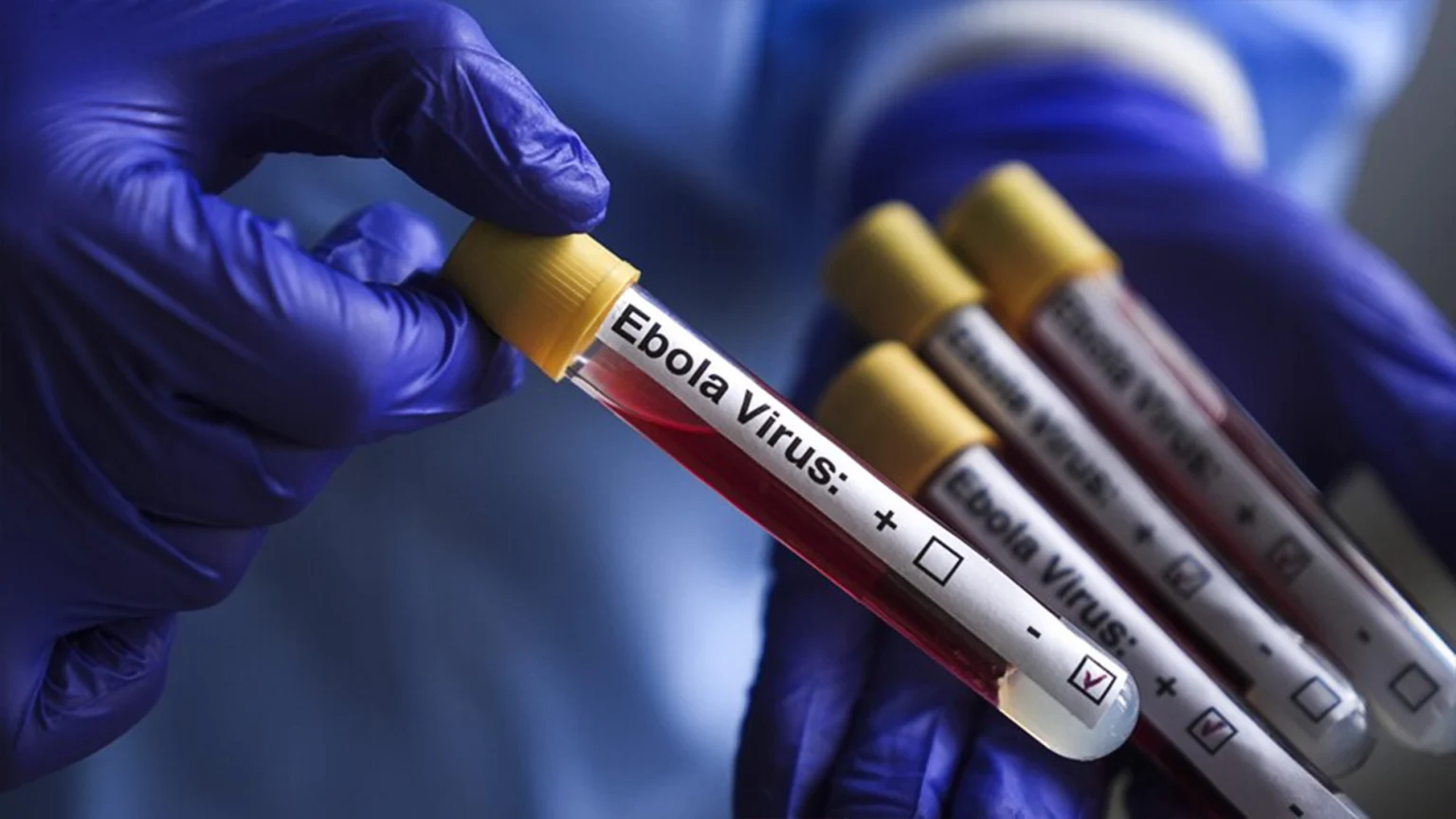
EBOLA: NIGERIA TO EVACUATE UGANDAN PATIENT FROM ABUJA
Nigeria is preparing to evacuate a Ugandan patient from Abuja amid concerns over a possible Ebola-related health risk, drawing attention to the country's emergency response procedures and efforts to prevent the spread of infectious diseases.
The reported development highlights the importance of coordination between health authorities when managing suspected or confirmed cases involving individuals from other countries. Such situations require careful medical assessment, appropriate isolation measures and clear communication among relevant agencies.
Ebola is a serious viral disease that can cause severe illness and death. It is primarily transmitted through direct contact with the blood or other bodily fluids of an infected person who is showing symptoms, or with contaminated materials. It does not spread through casual contact in the same way as airborne respiratory infections.
When a potential Ebola case is identified, public health authorities typically assess the patient's travel history, symptoms and possible exposure before determining the appropriate course of action. Suspected cases may require isolation, testing and specialised medical care to protect both the patient and the wider community.
The proposed evacuation also underscores the need for cooperation between Nigeria and Uganda, particularly where cross-border medical arrangements and public health responsibilities are involved.
For Nigeria, effective disease surveillance and emergency preparedness remain important in protecting public health. Health agencies must be able to identify potential threats quickly, assess risks accurately and coordinate responses without creating unnecessary public alarm.
However, the specific circumstances surrounding the Ugandan patient's condition, including whether Ebola has been confirmed and the reason for the proposed evacuation, would need to be established through official health updates.
The situation highlights the importance of relying on verified information from health authorities while they assess the case and determine the appropriate response.