


INTERNATIONAL
ECOWAS STATES SET JANUARY DEADLINE FOR BIOMETRIC ID ACCEPTANCE AT BORDERS
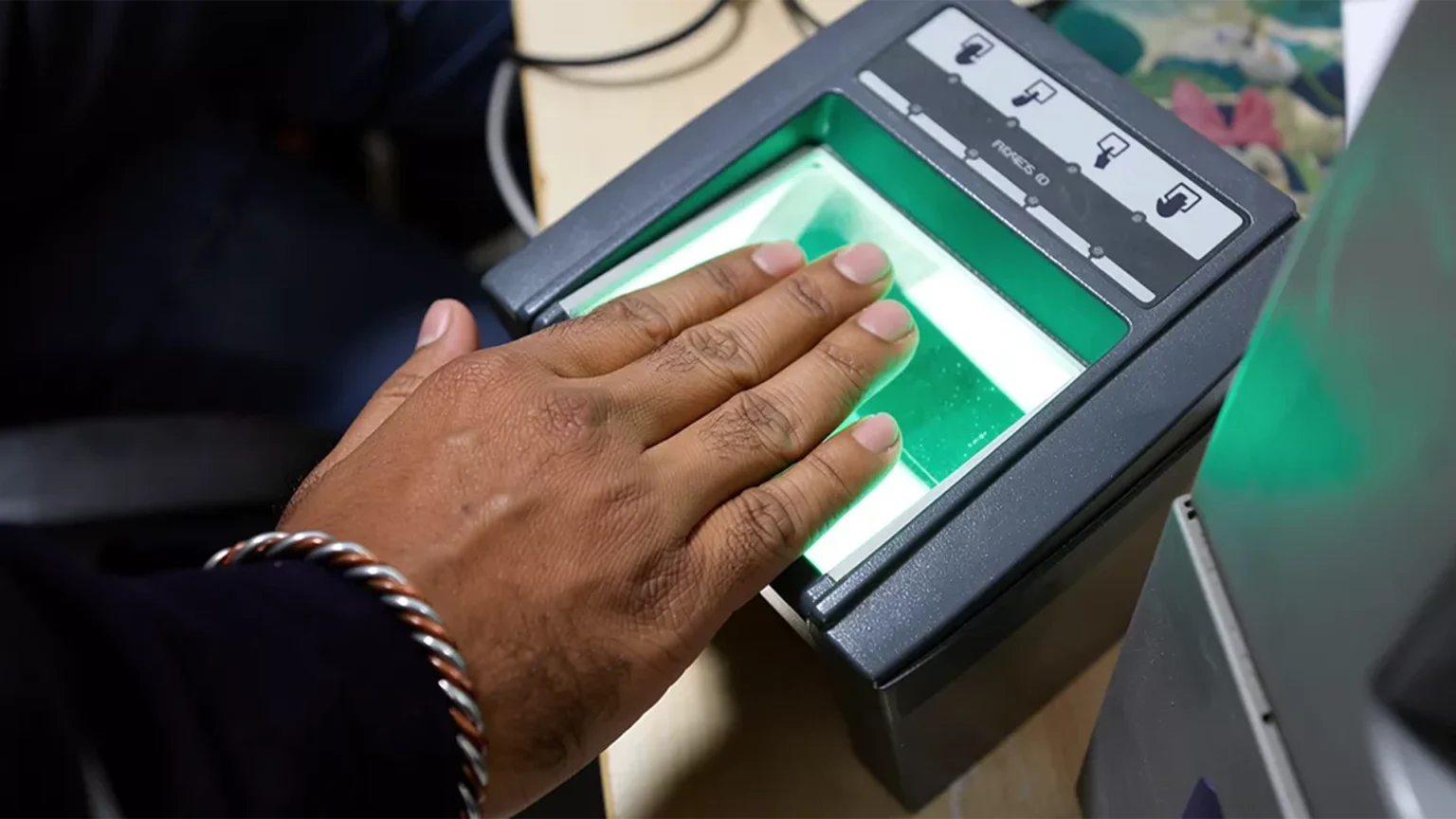
Member states of the Economic Community of West African States (ECOWAS) have agreed to begin accepting the regional bloc’s National Biometric Identity Card at all official border crossing points from January 1, 2027.
The decision is aimed at simplifying cross-border travel, strengthening regional integration and improving the implementation of ECOWAS’ free movement protocol.
The commitment was contained in the Freetown Declaration, adopted at the 10th Annual Meeting of ECOWAS Heads of Immigration held in Sierra Leone from November 3 to 4, 2026.
Under the agreement, a valid ECOWAS National Biometric Identity Card (ENBIC) issued by any member state must be recognised by other member countries as sufficient proof of identity and Community citizenship at official border posts.
The requirement will apply even if the country that issued the card has not commenced its own national rollout.
To ensure effective implementation, member states are expected to establish administrative and technical arrangements for recognising and verifying cards issued across the region. Immigration officers will also need clear operational guidelines and appropriate equipment to authenticate the documents.
The ECOWAS Commission has been urged to finalise common technical specifications and establish a regional verification mechanism to monitor implementation.
The declaration also calls for the cards to remain affordable and accessible, with wider coverage for citizens in border communities and those living abroad.
Speaking at the meeting, Sharon Dimanche, Chief of Mission of the International Organisation for Migration in Nigeria and ECOWAS, said regional integration should be measured by the improvements travellers experience at border crossing points.
The agreement represents another effort by ECOWAS to make regional travel easier for citizens, traders and businesses while maintaining effective border security.