


NATIONAL NEWS
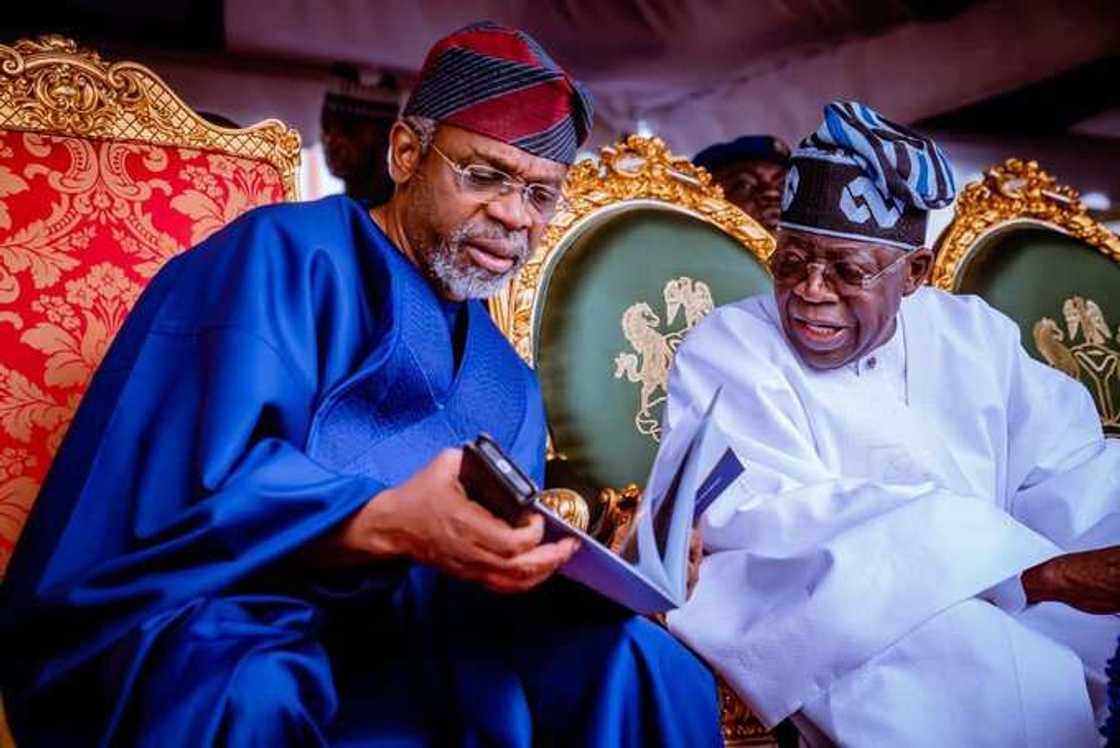
EDUCATION REMAINS BOLA TINUBU’S TOP PRIORITY – FEMI GBAJABIAMILA
The Chief of Staff to the President and former Speaker of the House of Representatives, Femi Gbajabiamila, has emphasized that education will remain a cornerstone of President Bola Tinubu’s Renewed Hope Agenda, describing it as crucial for Nigeria’s ability to compete in a knowledge-driven global economy.
Gbajabiamila made the remarks on Monday at the 2026 International Day for Education Conference in Abuja. Themed “Re-imagining the Future of Education in Nigeria: Collaborative Solutions for a Brighter Tomorrow,” the conference was convened by the Speaker of the House of Representatives, Tajudeen Abbas.
The International Day of Education, celebrated annually on January 24, seeks to empower youth as active co-creators of learning systems and recognize them as essential partners in making education more relevant, inclusive, and future-oriented. The day also draws attention to the millions of children out of school and underscores education’s role in promoting peace, sustainable development, and economic growth.
Reflecting on his tenure as Speaker of the 9th House of Representatives, Gbajabiamila recalled sponsoring the Students’ Loans Bill to ensure that financial barriers do not prevent qualified Nigerians from accessing tertiary education. He said access to education must be determined by merit and potential, rather than privilege.
He added that within the first three months of President Tinubu’s administration, the bill was assented to, leading to the creation of the Nigerian Education Loan Fund, which has since disbursed billions of naira to eligible students across the country. This, he noted, demonstrates that education holds a strategic position in the Renewed Hope Agenda.
Gbajabiamila also commended the 10th House of Representatives for enhancing oversight of tertiary education funding, advancing student welfare initiatives, and promoting reforms to improve transparency and accountability in the sector.
“As Chief of Staff to the President, you can always count on my support. Education will remain central to the Renewed Hope Agenda. Nigeria’s brightest tomorrow will be built in the classrooms we strengthen today,” he said, stressing that education is the most reliable pathway to national development.
“Education is the bridge between potential and productivity; between aspiration and achievement. No nation can compete globally without sustained investment in learning,” Gbajabiamila added.
Earlier, the Special Adviser to the Speaker on International Cooperation and Educational Development, Abisoye Da Rocha-Afodu, highlighted that the International Day of Education was proclaimed by the United Nations General Assembly in 2018 to recognize education as a fundamental human right. She noted that Nigeria has over 20 million out-of-school children — the highest globally — and continues to face challenges such as weak infrastructure, poor teacher welfare, outdated curricula, and limited access to technology.
Da Rocha-Afodu explained that the conference aimed to bring together lawmakers, policymakers, development partners, and stakeholders to identify practical and sustainable solutions. She called for stronger partnerships among government institutions, the private sector, and communities to expand access to inclusive, quality education, particularly for girls and persons with disabilities.
Although the International Day of Education is observed globally on January 24, the conference was held in February due to the National Assembly’s recess in January. The timing was also intended to facilitate meaningful engagement ahead of Ramadan and encourage stakeholders to address key issues such as funding, security, and accountability in the education sector. On accountability, Da Rocha-Afodu revealed that the House is working on legislative measures to ensure periodic reporting and transparent use of funds allocated to education programs.
Also speaking, Chairman of the House Committee on Federal Polytechnic and Higher Technical Education, Fuad Laguda, said the conference offered a platform to assess Nigeria’s education system against global standards. He highlighted funding as a major constraint, especially for polytechnics and higher technical institutions, which are vital for skills development and industrial growth.
Laguda emphasized that educational reform requires coordinated action across sectors. Participants from diverse backgrounds gathered to build synergy and agree on practical steps forward. “Any country serious about sustainable development must prioritise education. Nigeria must match its demographic potential with bold investment and disciplined policy to strengthen its global standing,” he said.