


BUSINESS &ECOMONY
ENERGY COSTS GULP 40% OF MANUFACTURERS’ OPEX, THREATEN PRODUCTIVITY
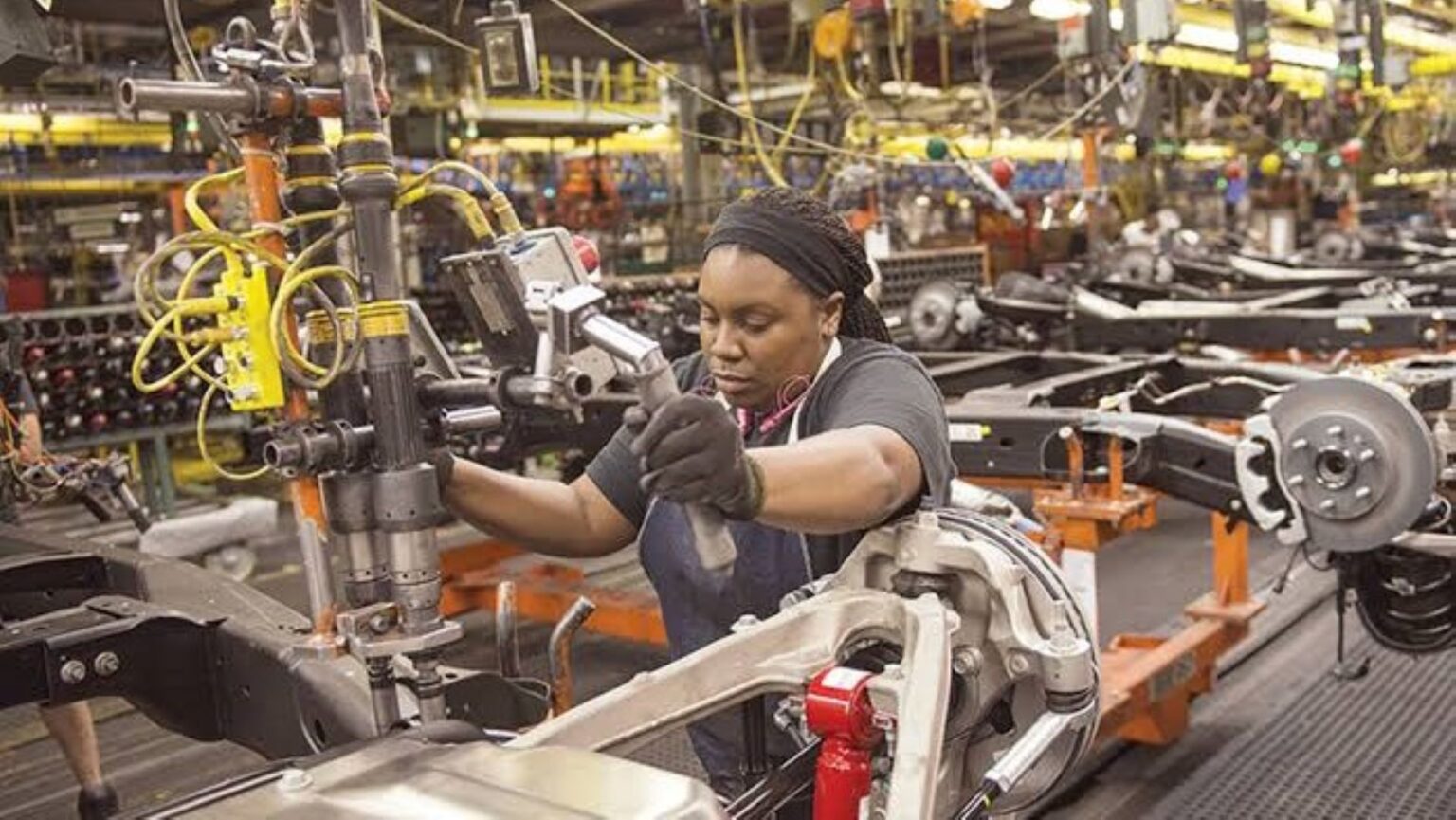
Energy costs are consuming as much as 40 per cent of manufacturers’ operating expenditure, raising concerns about declining productivity, rising production costs and the competitiveness of Nigerian-made goods.
The high cost of electricity and alternative energy sources continues to place significant pressure on manufacturers, many of whom rely on generators and other backup systems to keep their facilities running amid unreliable power supply.
For businesses operating in energy-intensive industries, the burden can be particularly severe. Manufacturers must spend substantial portions of their budgets on fuel, electricity and equipment maintenance, leaving fewer resources available for expansion, technology upgrades and workforce development.
The situation also affects the prices of finished products. As production expenses rise, manufacturers may be forced to increase prices to remain operational, potentially reducing consumer purchasing power and weakening demand for locally produced goods.
Small and medium-sized manufacturers are especially vulnerable because they often have limited financial capacity to absorb rising energy bills. Some may respond by reducing production, delaying expansion plans or cutting operating hours, with possible consequences for employment and overall industrial output.
The energy burden also threatens the competitiveness of Nigerian manufacturers against imported products from countries where businesses may benefit from more affordable and reliable electricity. This can make it harder for local firms to increase market share and compete effectively.
Industry stakeholders have repeatedly highlighted the need for more dependable power infrastructure, improved electricity market efficiency and policies that encourage investment in alternative energy solutions. Expanding access to renewable energy, including solar power, could help some businesses reduce their dependence on costly diesel and petrol generators over time.
Addressing the challenge will require coordinated efforts by government authorities, electricity providers and private investors to improve supply reliability and make energy more affordable for productive businesses.
Reducing energy costs could free up capital for manufacturers to invest in modern equipment, expand output, create jobs and improve product quality. Without meaningful improvements, however, high operating expenses may continue to constrain industrial growth and undermine Nigeria’s broader economic development ambitions.