


BREAKING NEWS
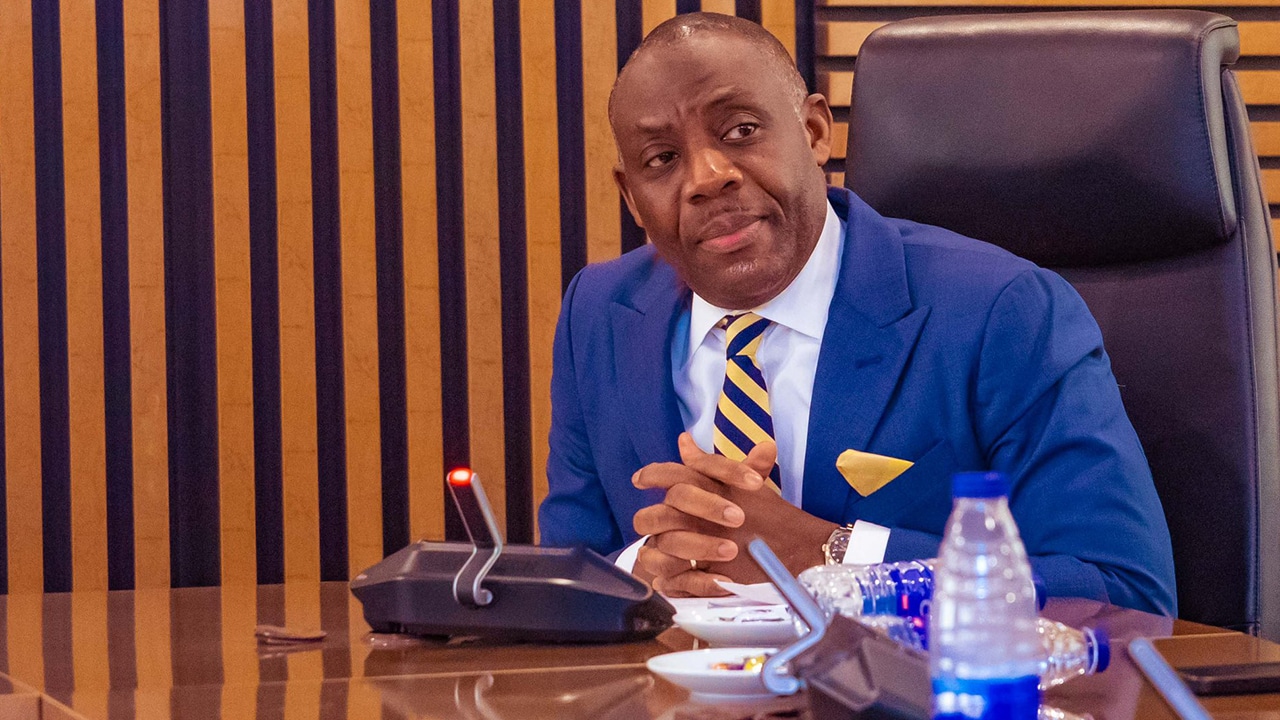
FG BANS USE OF “DR” TITLE FOR HONORARY DEGREE HOLDERS
The Federal Government has taken a firm step aimed at cleaning up how academic titles are used in Nigeria. In a new directive announced by the Minister of Education, Tunji Alausa, individuals who receive honorary degrees will no longer be allowed to use the title “Dr” before their names.
The announcement was made during a press briefing at the Presidential Villa in Abuja, following a decision reached at the Federal Executive Council meeting held on April 30.
According to the Minister, the policy is part of a broader effort to restore credibility and public trust in academic honours, which many believe has been gradually eroded over time.
In recent years, honorary degrees—meant to recognise exceptional contributions to society—have increasingly become controversial. What was once seen as a symbolic gesture of appreciation has, in some cases, turned into a tool for influence, status, and even political favour.
Tunji Alausa did not mince words when addressing the issue. He noted that the system has been abused, with some awards reportedly given for financial incentives or political loyalty rather than genuine merit. He also raised concerns about serving public officials receiving such honours, which goes against the ethical expectations surrounding honorary degrees.
At the heart of this decision is a simple but important question: what should titles really represent?
Academic titles like “Dr” are traditionally earned through rigorous study, research, and formal qualification. When they are used outside of that context, it can blur the line between earned achievement and symbolic recognition, creating confusion in public perception.
The government’s new stance is expected to draw mixed reactions. While some will see it as a necessary correction to protect academic integrity, others may argue it limits how honorary recipients choose to present themselves.
Still, the underlying message is clear—honours should remain meaningful, and titles should reflect true academic achievement.
As Nigeria continues to reform its education and public recognition systems, this policy signals a renewed focus on credibility, transparency, and respect for academic standards.
In the end, it raises a deeper conversation for society: should recognition be about status, or should it remain strictly about substance?