


GOVERNMENT & POLICY
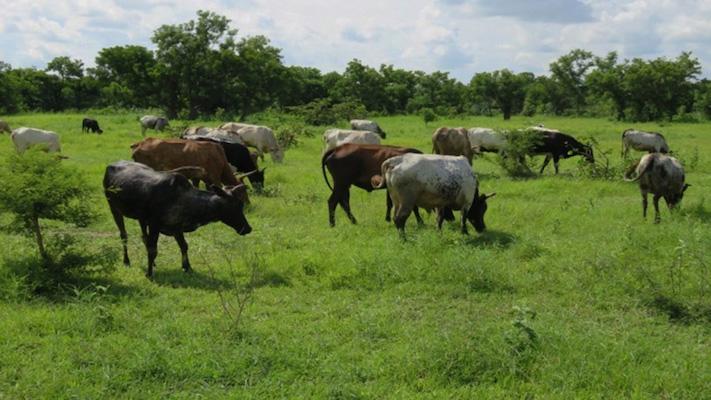
FG OFFICIALLY BANS OPEN GRAZING NATIONWIDE TO STOP FARMERS–HERDERS CLASHES
The Federal Government has officially banned open grazing across Nigeria, marking a major step toward ending the long-standing conflicts between farmers and herders.
The announcement was made on Tuesday by the Minister of Livestock Development, Alhaji Mukhtar Maiha, during the inauguration of the maiden National Council on Livestock Development in Yola, Adamawa State.
Maiha explained that the recurrent clashes have caused severe human and economic devastation, leaving many communities in ruins. He emphasized that the violence has led to the loss of countless lives, the destruction of farmlands, and the displacement of families across the country.
“Nigerians have been subjected to untold hardships, including the killing of innocent farmers and herders, as a result of open grazing. There is an urgent need to put a stop to this problem,” he said.
The minister revealed that open grazing has now been classified as a capital offense, urging herders to fully transition to modern ranching practices. He noted that structured ranching not only enhances safety but also boosts livestock productivity.
“Ranching will not only prevent conflicts but also improve the quality and weight of cattle for better business,” he added.
Maiha also highlighted the economic potential of the livestock sector, saying the ministry plans to make livestock development Nigeria’s second-largest revenue source after oil. He disclosed that the government is projecting about $74 billion in revenue within five years, with over $14 billion already generated from existing livestock programs.
Declaring the council open, Adamawa State Deputy Governor Professor Kaleptawa Farauta said the state remains one of Nigeria’s strongest livestock hubs, making it a strategic location for the event.
The newly established National Council on Livestock Development brings together directors of livestock from all 36 states and the Federal Capital Territory. The council is tasked with driving sector reforms, monitoring policy implementation, and advancing the modernization of Nigeria’s livestock industry.