


BUSINESS
FG RAISES 2026 INDEPENDENT REVENUE TARGET TO N2.5TN
The Federal Government has increased its independent revenue target for 2026 to N2.5 trillion, signalling a renewed push to boost non-oil receipts and reduce dependence on borrowing for budget financing.
The upward revision, contained in the 2026-2028 Medium-Term Expenditure Framework and Fiscal Strategy Paper presented to the National Assembly, reflects optimism over improved tax administration, expanded revenue collection from government agencies, and stronger performance of state-owned enterprises.
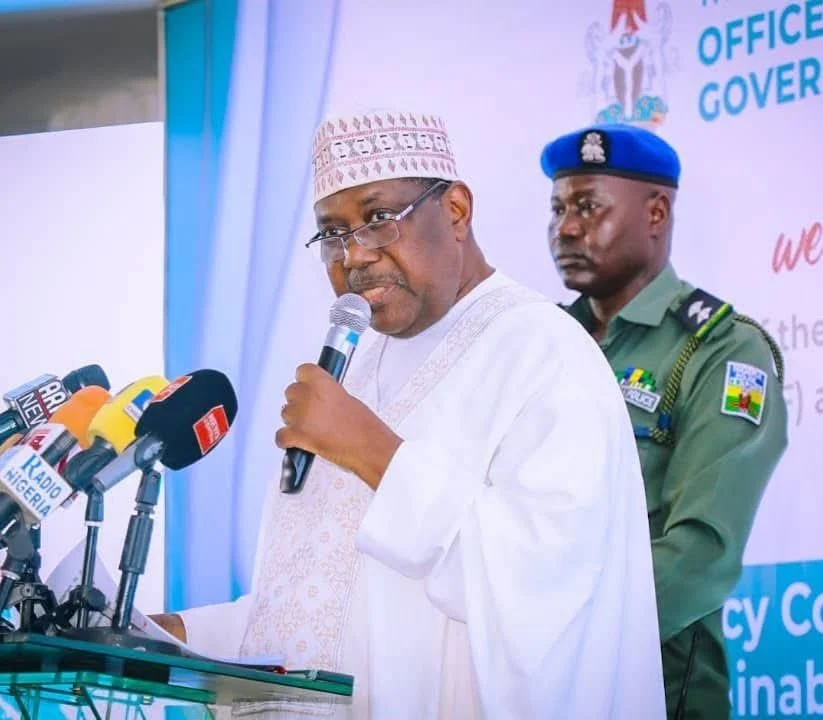
Minister of Finance and Coordinating Minister of the Economy, Mr. Wale Edun, who defended the document before the Joint Senate and House Committee on Finance, described the target as ambitious yet achievable. “We are focusing on broadening the revenue base, enhancing efficiency in collection, and blocking leakages. Independent revenue is critical to our fiscal sustainability plan,” Edun said.
The new target represents a significant jump from previous projections, driven by ongoing reforms in the Nigeria Customs Service, Federal Inland Revenue Service, and other revenue-generating agencies. It also factors in expected dividends from government investments and proceeds from the privatisation and concession programmes.
Lawmakers welcomed the development but expressed concerns over implementation, urging stricter oversight to ensure agencies remit revenues as and when due. Senate Committee Chairman on Finance, Senator Solomon Adeola, stressed the need for transparency and accountability. “Raising targets is good, but we must see actual performance. The National Assembly will monitor compliance closely,” he noted.
Economists believe the move aligns with efforts to diversify government revenue streams amid volatile oil earnings and high debt servicing costs. However, they cautioned that achieving the target will require sustained macroeconomic stability, improved business environment, and digitalisation of revenue processes.
The 2026 budget proposal is expected to be presented to the National Assembly later this year, with independent revenue forming a key component of the overall funding mix. Stakeholders anticipate that the higher target will help moderate new borrowings and create fiscal space for critical infrastructure and social investments.