


ECONOMY & DEVELOPMENT
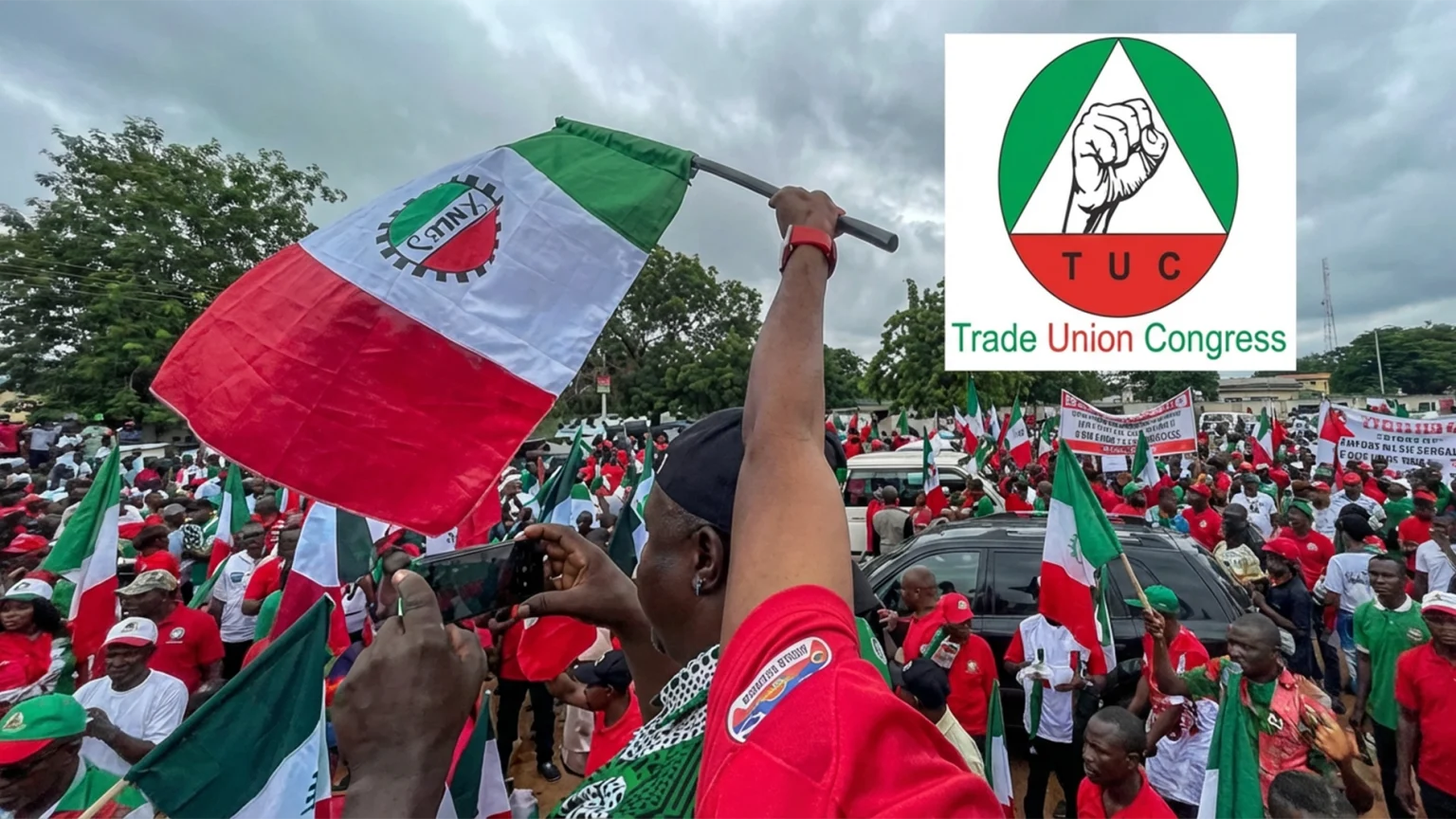
FG RAISES COMMITTEE TO ADDRESS WORKERS’ ECONOMIC STRUGGLES, TUC CONCERNS
The Federal Government has established a high-powered committee to examine and address concerns raised by the Trade Union Congress of Nigeria (TUC) over the economic challenges facing Nigerian workers, including wages, welfare, security and unresolved labour agreements.
The decision followed a meeting between government representatives and TUC leaders in Abuja, chaired by the Secretary to the Government of the Federation, Senator George Akume.
The meeting was convened in response to a letter dated October 8, 2026, in which the labour organisation requested urgent government intervention on issues affecting workers and the wider economy.
A major issue discussed was the proposed N70,000 monthly transport allowance for workers over six months. The TUC rejected the intervention, arguing that temporary payments would not adequately address the financial difficulties confronting employees.
Instead, the Congress called for an immediate salary increase pending negotiations on a new National Minimum Wage. It maintained that workers needed a more sustainable improvement in earnings to cope with rising costs of food, transportation, healthcare and other essential services.
Following deliberations, Akume approved the establishment of a committee comprising three TUC representatives and officials from the Office of the Secretary to the Government of the Federation, the Office of the Head of the Civil Service, the National Salaries, Incomes and Wages Commission and the Federal Ministry of Labour and Employment.
The committee is expected to begin work immediately and submit its report and recommendations to the SGF within two weeks.
It will also review the demands already addressed by the government, identify outstanding issues and recommend ways to resolve disagreements between both parties.
The TUC delegation was led by its President, Festus Osifo, and included Secretary-General Nuhu Toro and other senior officials.
The development provides another opportunity for the government and organised labour to address workers' welfare concerns through dialogue, although the outcome of the committee's recommendations will determine whether the engagement produces lasting relief.