


EDUCATION
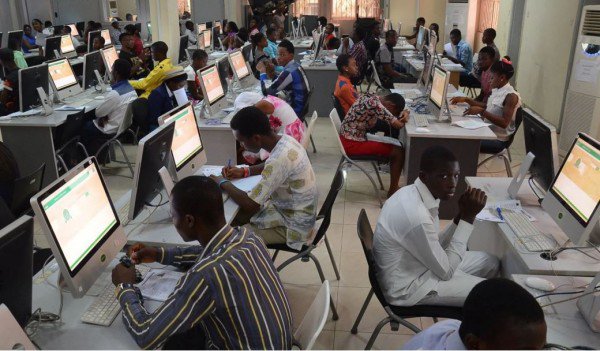
FG REMOVES UTME REQUIREMENT FOR FEDERAL COLLEGES OF EDUCATION AND SKILL-BASED COURSES
The Federal Government has announced a major change in Nigeria’s tertiary admission process, removing the requirement for candidates seeking admission into Federal Colleges of Education to sit for the Unified Tertiary Matriculation Examination (UTME).
According to reports, the Minister of Education, Dr. Tunji Alausa, disclosed the policy shift on Monday during the 2026 Policy Meeting of the Joint Admissions and Matriculation Board (JAMB) in Abuja.
According to the minister, the new policy is designed to widen access to education, especially in key areas such as teacher training, technology, agriculture, and other skills-based programmes that are considered critical to national development.
He explained that the decision was part of broader reforms aimed at reducing barriers to entry into technical and vocational education, while still maintaining academic standards through compulsory O’Level requirements.
Under the new arrangement, candidates applying to Federal Colleges of Education will no longer be required to take the UTME, although they must still possess the necessary basic O’Level qualifications to be eligible for admission.
In a related update, JAMB also confirmed the adjustment in its admission framework, stating that candidates seeking admission into Education programmes, as well as non-engineering Agriculture courses, would now be exempted from sitting for the UTME.
The board made the announcement via its official 𝕏 handle during the ongoing policy discussions, noting that the reform is part of efforts to streamline admissions and encourage more students into essential fields.
The statement read in part: “Candidates seeking admissions into Education Programmes and Agriculture non-Engineering Courses are now exempted from UTME.”
The annual JAMB policy meeting traditionally serves as the platform where key decisions on admission cut-off marks, entry requirements, and institutional guidelines are set for the upcoming academic cycle.
Education stakeholders are expected to continue reviewing the implications of the new policy as Nigeria pushes to expand access to teacher education and skill-driven academic pathways.