


NEWS XTRA
FG TARGETS DIASPORA DOCTORS TO REVIVE HEALTH SECTOR
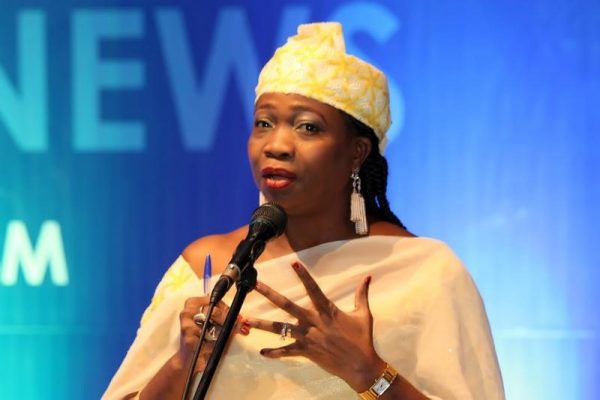
The Chairman and Chief Executive Officer of the Nigerians in Diaspora Commission (NiDCOM), Abike Dabiri-Erewa, has announced plans to deploy Nigerian medical professionals living abroad to various states to enhance healthcare services across the country.
The announcement was made in Abuja on Wednesday during the unveiling of the Diaspora Health Impact Initiative (DHII) 2026.
With the theme, “Harnessing Global Diaspora Medical Expertise to Strengthen Local Health Systems for National Development,” the initiative aims to bring diaspora-based doctors and specialists to different geopolitical zones to provide medical interventions and professional training.
Dabiri-Erewa emphasized that while Nigeria benefits significantly from diaspora remittances, estimated at over $20 billion annually, the technical expertise of Nigerian medical professionals overseas has remained largely untapped.
“Nigeria has a pool of highly trained diaspora health professionals who continue to make significant contributions to global healthcare systems. Beyond financial remittances, their knowledge transfer, specialist care, mentorship, and systems expertise represent a powerful tool for national health transformation,” she said.
She added that the initiative offers “a coordinated framework to align diaspora expertise with priority national and state-level health needs, particularly in underserved communities.”
Under the programme, seven diaspora-based medical associations will be deployed to Abuja, Lagos, Kano, Nasarawa, Abia, Sokoto, and Kaduna from July 20 to 23, 2026, ahead of the annual National Diaspora Day on July 25. The teams will collaborate closely with state governments and local health institutions in their assigned locations.
Participating organisations include the Association of Nigerian Physicians in the Americas, Canadian Association of Nigerian Physicians and Dentists, Medical Association of Nigerians Across Great Britain, Concerned Medics Foundation, Nigerian Medical Association Germany, Nigerian-Australian Medical & Dental Association, and the Nigerian Doctors Forum – South Africa.
Their interventions will cover specialist lectures, maternal and neonatal health, sickle cell screening, women’s health checks, point-of-care ultrasound, interventional radiology, neurosurgery, reproductive health diagnostics, medical leadership, and health governance. “These allocations ensure nationwide reach across multiple geopolitical zones,” Dabiri-Erewa noted.
The NiDCOM boss stressed that DHII 2026 will focus on sustainable capacity building rather than short-term outreach, with expected outcomes including improved access to specialist services, strengthened institutional capacity, enhanced clinical competence of local health professionals, and the generation of measurable health data.
She also expressed appreciation to President Bola Tinubu for supporting diaspora engagement, describing it as “a strategic pillar in our national development agenda.”
“As we implement DHII 2026, we invite Nigerian health professionals in the diaspora to partner with us in building resilient, equitable, and people-centred healthcare systems in Nigeria. Let DHII 2026 be remembered as a pioneering national effort where diaspora expertise translates into measurable health impact,” she added.
The Chief Executive Officer of the Medical and Dental Council of Nigeria, Dr. Fatima Kyari, assured that the council would facilitate the licensing of all participating medical and dental personnel and collaborate with other health practitioners to ensure the initiative’s success. She described the programme as a significant step toward encouraging “Nigerians abroad to contribute more actively to the country’s health sector.”
Also speaking, Hamid Balogun, Vice President of the Nigerian Medical Association Germany, highlighted the importance of sustainability, noting that the initiative should extend beyond a one-off intervention.
Nigeria’s healthcare system has long faced shortages of specialist doctors, uneven distribution of medical personnel, and limited access to advanced care in many states, particularly in rural and underserved areas. At the same time, thousands of Nigerian-trained medical professionals now practise abroad, contributing significantly to healthcare systems in Europe, North America, and other regions.