


BUSINESS &ECOMONY
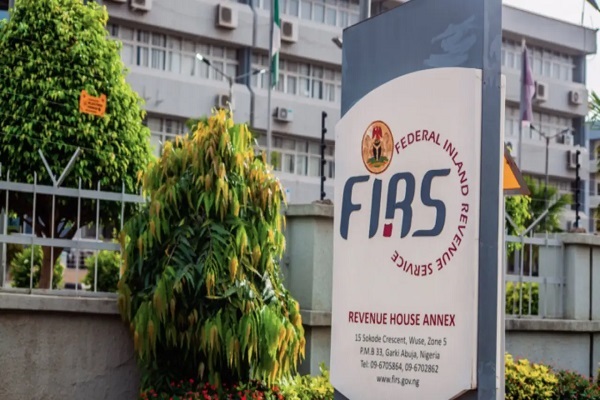
FIRS CLARIFIES 4% DEVELOPMENT LEVY, SAYS NO NEW TAX BURDEN
The Federal Inland Revenue Service (FIRS) has assured Nigerians that the recently discussed 4 percent development levy on imported goods will not impose any additional tax burden on businesses.
In a statement on Wednesday, the agency explained that the levy is a consolidation of several existing charges, intended to simplify the tax system and foster a more business-friendly environment.
The FIRS noted that public concerns regarding the Nigeria Tax Act (NTA) and the Nigeria Tax Administration Act (NTAA) largely arise from misunderstandings, particularly about the new levy structure.
The agency emphasized that the reform aims to boost economic competitiveness, safeguard existing incentives, and ensure long-term fiscal stability.
According to FIRS, merging multiple levies into a single 4 percent charge will lower compliance costs, remove unpredictability, and eliminate overlapping charges from various government agencies.
It also highlighted that small businesses and non-resident companies are exempt, providing relief to economically vulnerable entities.
“This consolidation reduces compliance costs, eliminates unpredictability, and ends the era of multiple agency-driven levies. The law also exempts small businesses and non-resident companies, protecting firms most vulnerable to economic shocks,” the statement added.
The clarification comes amid concerns from businesses that the federal government’s new tax framework, set to take effect in January 2026, might increase financial burdens.