


BREAKING NEWS
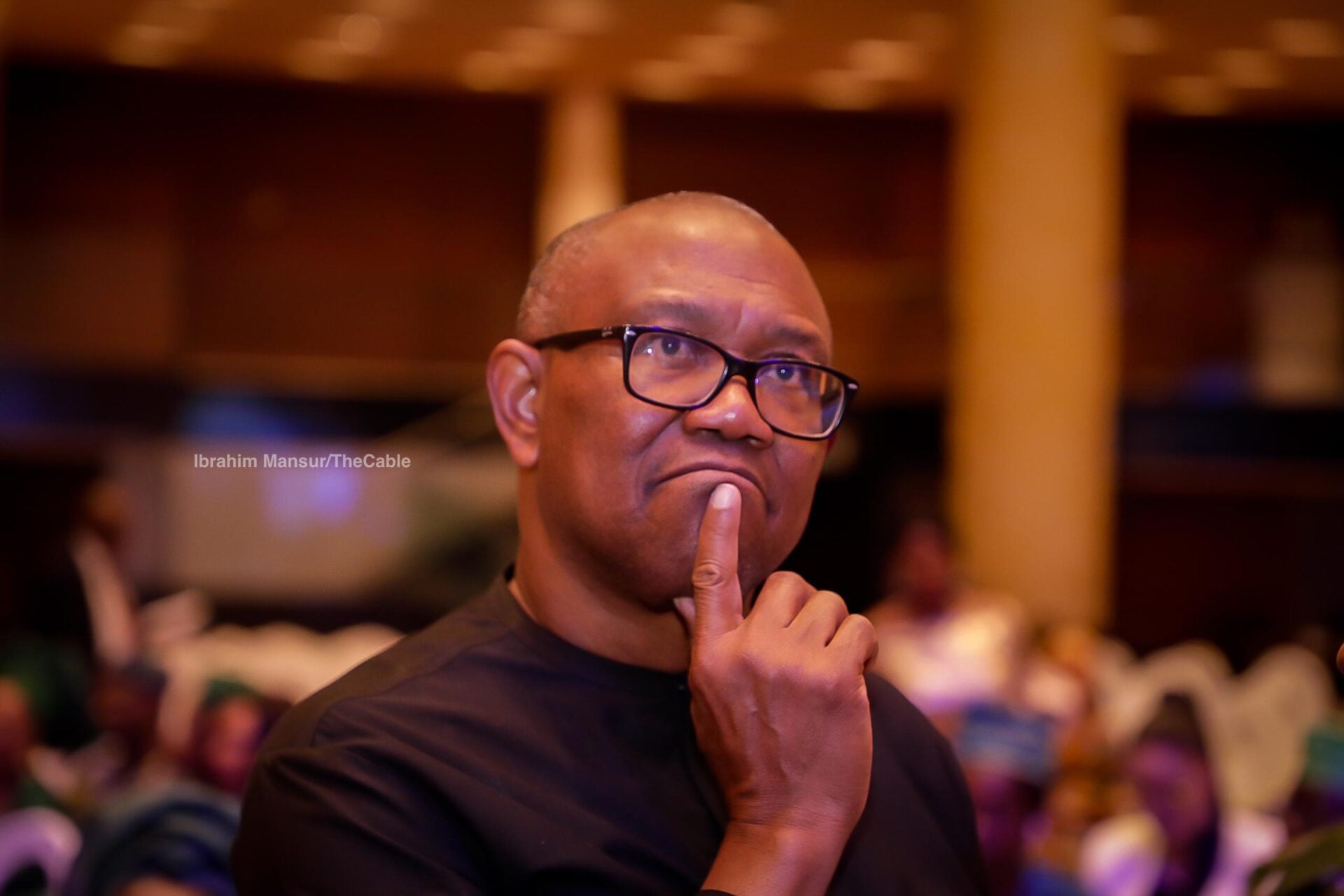
“FOUR YEARS CAN BE ENOUGH”: A CLOSER LOOK AT PETER OBI’S CLAIM
The statement by former Anambra State governor Peter Obi that “four years can be enough” in office has continued to generate debate in Nigeria, especially among citizens discussing governance, leadership performance, and political accountability.
Obi’s comment is often linked to his argument that effective leadership is less about time in office and more about focus, discipline, and how public resources are managed during a leader’s tenure.
Supporters of the view say four years is sufficient for a leader to set clear priorities, implement reforms, and show measurable progress if there is political will and strong governance structures in place.
They point to examples where policy direction, budget discipline, and administrative reforms were introduced within short periods and produced visible results.
However, critics argue that in a complex system like Nigeria, four years may not be enough to fully implement deep structural reforms, especially in areas such as infrastructure, education, and economic transformation, which often require long-term planning.
They also note that political transitions, bureaucratic delays, and institutional weaknesses can slow down reform efforts, making sustained leadership over longer periods more effective in some cases.
The debate reflects broader questions about Nigeria’s governance system, where citizens often assess leaders based on both short-term delivery and long-term impact.
Obi’s statement continues to be discussed in political and civic spaces, with opinions divided on whether time or leadership quality matters more in achieving national progress.