


INTERNATIONAL
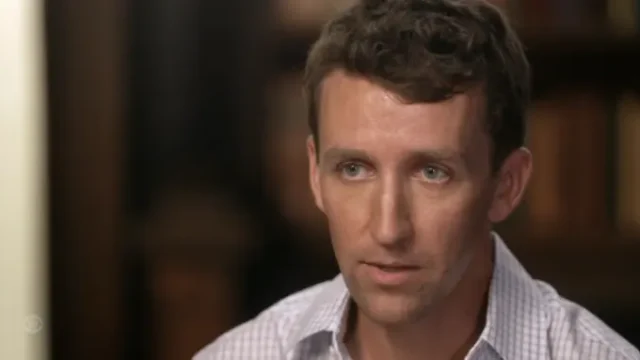
GRIEVING FATHER SAYS FORGIVENESS HELPED HIM COPE AFTER WIFE KILLED THEIR THREE CHILDREN
Patrick Clancy, whose three young children were killed by his former wife, Lindsay Clancy, has explained why he chose to forgive her despite her never asking him for forgiveness. In his first televised interview since Lindsay’s murder trial ended in a mistrial, Patrick told CBS News’ 60 Minutes that he believed her mental illness played a major role in the deaths and that holding on to anger would have made it more difficult for him to continue living with the tragedy.
Patrick said he had seen descriptions of Lindsay in the media as a “killer mom,” “baby murderer” and “monster”, but rejected those characterisations. He said he believed her mental illness was responsible for what happened and explained that forgiveness was also important for his own healing. According to him, he feared that refusing to forgive her would leave him consumed by the pain and grief surrounding the deaths of their children.
The couple’s children, five-year-old Cora, three-year-old Dawson and eight-month-old Callan, died after Lindsay attacked them at their home in Duxbury, Massachusetts, on January 24, 2023. Patrick said he returned home that day and found Lindsay in the backyard after she had jumped from an upstairs window, before discovering the children in the basement. Cora and Dawson died at the scene, while Callan was taken to Boston Children’s Hospital.
Patrick said Callan survived for four days after the attack and that he was able to spend those final days with his youngest child. He recalled holding the baby and lying beside him before Callan eventually died in his arms. During those four days, Patrick said he wrote tributes to each of his children while holding Callan’s hand, saying he remained grateful for the additional time he had with his son.
Lindsay’s trial ended in a mistrial on September 4 after jurors failed to reach a unanimous decision on whether she was criminally responsible for the killings. Her defence argued that she was suffering from postpartum psychosis at the time, while prosecutors disputed that position. Patrick also criticised conspiracy theories and online speculation about his involvement, saying such claims were harmful to the memory of his children and distracted attention from what he believes should be greater discussion about perinatal mental health.