


INTERNATIONAL
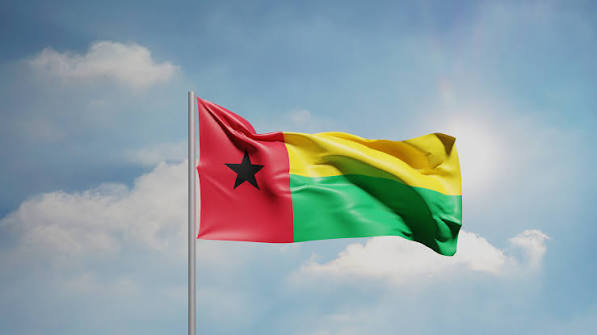
GUINEA-BISSAU VOTES ON CONSTITUTION TO STRENGTHEN PRESIDENTIAL POWERS
Voters in Guinea-Bissau have gone to the polls to decide whether to approve a new constitution that would significantly expand the powers of the presidency, less than a year after the West African country was taken over by the military.
The referendum is being held as part of the transitional authorities’ plan to return Guinea-Bissau to civilian rule through presidential and parliamentary elections scheduled for December 6, 2026.
Voting began at 7am GMT on Sunday, with security personnel deployed at strategic locations across the capital, Bissau. The exercise experienced a slow start in some areas following heavy early-morning rainfall.
Under the proposed constitution, Guinea-Bissau would move away from its existing parliamentary arrangement towards a presidential system. The changes would give the president greater authority over the government and reduce the potential for conflicts between the president and prime minister.
The proposed constitution would allow the head of state to appoint and dismiss the prime minister and members of government, as well as dissolve parliament. The military-backed authorities argue that the changes are necessary to create clearer lines of authority and improve political stability.
The referendum asks voters to decide whether the new constitution approved by the National Transitional Council should come into force.
The vote comes less than 10 months after the military seized power in November 2025, overthrowing President Umaro Sissoco Embaló and suspending the electoral process.
The military authorities have maintained that their constitutional reforms are intended to address longstanding institutional disagreements and create a more stable political system before power is transferred back to elected civilian leaders.
However, opposition parties have strongly criticised the referendum and urged citizens to boycott the vote. They argue that the proposed changes could concentrate excessive power in the presidency and weaken parliament and other democratic institutions.
The opposition has also raised concerns about restrictions on political freedoms under military rule and questioned the legitimacy of constitutional changes introduced by transitional authorities that were not elected by the people.
Guinea-Bissau has a long history of political instability. Since gaining independence from Portugal in 1973, the country has experienced several military coups and attempted coups, making the current referendum particularly significant for its democratic future.
The military government has pledged to organise elections later this year as part of its transition back to civilian rule. The transitional president, General Horta N’Tam, is barred from contesting the election under the transitional arrangements.
The referendum is therefore being closely watched both within Guinea-Bissau and internationally, as its outcome could determine the structure of the country's political system ahead of the December elections.
Voting is scheduled to close at 5pm GMT, with preliminary results expected from Tuesday.
The outcome will determine whether Guinea-Bissau adopts the proposed constitution and gives the presidency broader powers as the country attempts to move beyond another period of military rule and political uncertainty.