


NATIONAL NEWS
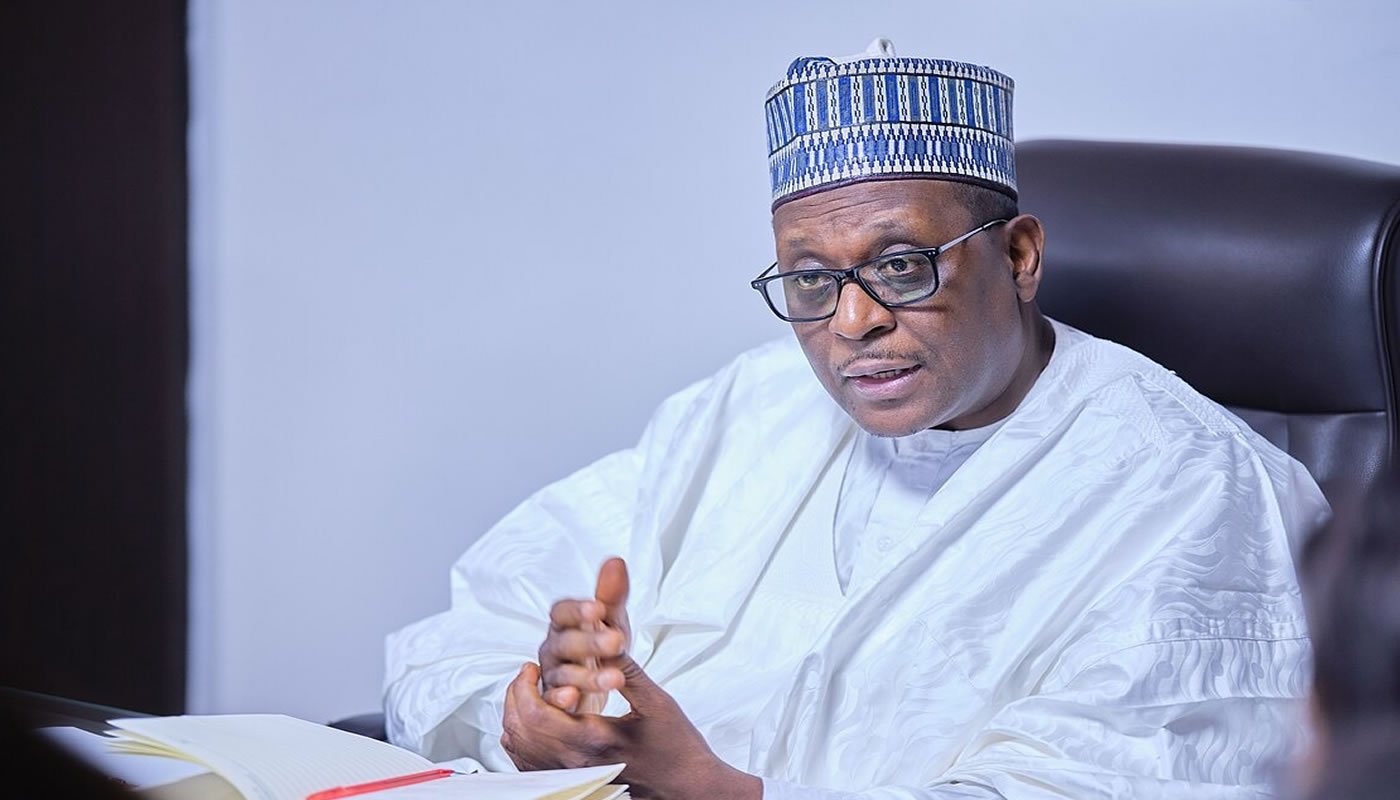
HEALTH MINISTER, MANUFACTURERS CLASH OVER SUGAR-SWEETENED BEVERAGE TAX
A heated debate unfolded at the Senate on Thursday as lawmakers, federal ministries, and industry representatives clashed over a proposal to significantly increase excise duties on carbonated sugar-sweetened beverages (SSBs).
The confrontation took place during a public hearing organized by the Senate Committees on Finance and Customs to review a bill that would impose a percentage-based tax per litre of SSBs.
Lawmakers argued that raising the current N10/litre levy is essential to curb excessive sugar consumption and boost funding for public health initiatives.
The session, chaired by Senator Sani Musa (Niger East), exposed sharp divisions among stakeholders. While health advocates and medical associations supported the measure, industry players strongly opposed it.
Coordinating Minister of Health and Social Welfare, Prof. Muhammad Pate, voiced full support for the bill, calling it a crucial step toward securing the country’s long-term health financing.
“We commend the Senate for proposing a bill that increases excise taxes on sugar-sweetened beverages and allocates part of the revenue to health promotion,” Pate said. “This shows political will, aligns fiscal policy with public health objectives, and provides sustainable funding for prevention programmes—vital for achieving universal health coverage.”
Pate urged the Senate to raise the SSB tax from N10 per litre to at least 20 percent of the retail price, in line with World Health Organization recommendations. He also proposed that at least 40 percent of the revenue be directed toward programmes targeting diet-related illnesses such as diabetes and hypertension.
“Failure to act now will burden Nigeria with an escalating disease crisis over the next 10 to 20 years,” Pate warned. “Prevention is far more cost-effective than treatment.”
Health-sector groups, including the Nigeria Cancer Society and the Diabetes Association of Nigeria, expressed strong support for the bill.
However, several economic stakeholders voiced concerns. The Manufacturers Association of Nigeria (MAN), the Ministry of Finance, and the Nigeria Employers Consultative Association warned that a higher tax could have unintended consequences.
Adeyemi Folorunsho, a director representing MAN, argued that the proposed hike could lead to job losses and disrupt growth in the beverage sector. He also challenged claims that SSB consumption is a major driver of diabetes and obesity in Nigeria.
“Contrary to popular belief, Nigeria has one of the lowest sugar consumption rates globally—8.3 million kilogrammes compared to the expected 22.1 million kilogrammes,” Folorunsho said, urging the Senate to adopt a “win-win approach” in drafting the legislation.
In his closing remarks, Senator Musa assured participants that the final law would balance public health priorities with economic realities.
“The committees will carefully consider all submissions before presenting a harmonized draft to the Senate,” he said. “Any legislation will be fair, transparent, and people-oriented.”
Nigeria introduced the N10-per-litre SSB tax in 2022 to address rising rates of obesity, diabetes, and other non-communicable diseases. Health experts argue the current levy is far below global standards and has had minimal impact on consumption.
Manufacturers, meanwhile, caution that the industry is still coping with inflation, foreign exchange pressures, and declining consumer purchasing power. They warn that higher taxes could result in plant closures, job cuts, and reduced government revenue.
The Senate’s proposed amendments have reignited the long-standing debate between public health advocates and economic stakeholders.