


NATIONAL NEWS
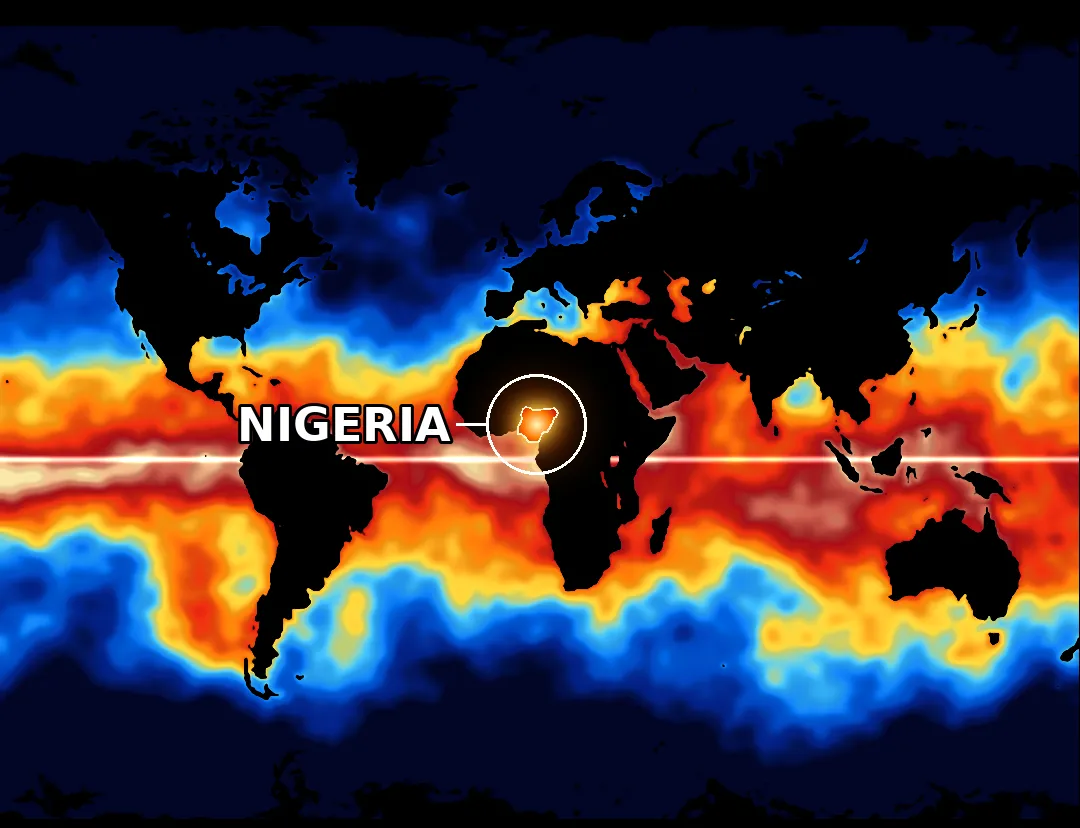
HOW EL NIñO MAY AFFECT NIGERIANS, OTHER FACTS
El Niño is a natural climate phenomenon that can influence weather patterns across the world, with potential consequences for agriculture, food prices, water supply and public health. For Nigeria, its effects could include unusually high temperatures, changes in rainfall patterns and disruptions to farming activities, depending on the strength of the event and how it interacts with regional weather conditions.
El Niño occurs when sea surface temperatures in the central and eastern equatorial Pacific Ocean become warmer than normal. This warming affects atmospheric circulation, changing rainfall and temperature patterns in different parts of the world. It is part of a climate cycle known as the El Niño–Southern Oscillation, which also includes La Niña, its cooler phase.
One of the possible effects on Nigerians is increased heat. Prolonged hot weather can raise the risk of dehydration, heat exhaustion and other heat-related illnesses, particularly among children, older people and those who work outdoors. Higher temperatures can also increase demand for electricity as households and businesses rely more heavily on fans and air conditioners.
Agriculture is another sector that could be affected. Irregular rainfall and longer dry spells may disrupt planting schedules and reduce yields for some crops, particularly in areas that depend on rain-fed farming. If harvests decline in affected regions, food supplies could come under pressure, potentially contributing to higher prices for items such as maize, rice and other staples. However, food prices in Nigeria are also influenced by insecurity, transportation costs, exchange rates and other economic factors.
Water availability could become a concern in communities experiencing prolonged dry conditions. Higher temperatures can increase water demand while reducing moisture in soil and placing pressure on some water sources. Changes in rainfall may also affect agricultural activities and water-dependent infrastructure.
Although El Niño is often associated with dry conditions in some regions, it does not mean that every part of Nigeria will experience drought. Heavy rainfall and flooding can still occur, particularly where intense downpours combine with poor drainage, blocked waterways or saturated ground. This makes it important for residents to pay attention to local weather forecasts rather than assume that the entire country will experience the same conditions.
El Niño is a natural climate phenomenon and is different from human-caused climate change. However, climate change can intensify certain extreme weather conditions, including heat, making the consequences of some climate events more severe.
Nigerians can reduce potential risks by monitoring weather updates from the Nigerian Meteorological Agency, staying hydrated during hot periods, taking flood warnings seriously and following seasonal forecasts when planning agricultural activities.
Ultimately, El Niño does not automatically mean a nationwide climate emergency. Its effects on Nigeria will depend on its intensity, the timing of seasonal rainfall and other climate factors. Accurate forecasts and early preparation will be important in limiting potential disruptions to livelihoods, food production and public health.