


INTERNATIONAL
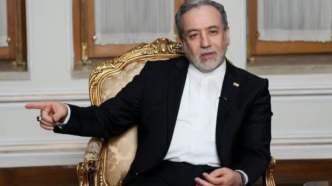
IRAN ACCUSES NETANYAHU OF PUSHING TRUMP INTO WAR
Iran has accused Israeli Prime Minister Benjamin Netanyahu of manipulating the United States into joining the conflict against Iran, reviving a long-running dispute over Israel's influence on Washington's decisions in the Middle East.
The allegation comes amid continuing tensions between Tehran, Washington and Tel Aviv following the outbreak of the US-Israel war against Iran earlier this year.
Iranian officials have repeatedly questioned the role played by Netanyahu in persuading US President Donald Trump to take military action against Iran. Iranian President Masoud Pezeshkian previously questioned whether Washington had been influenced by Israel when it entered the conflict.
Tehran's latest position reflects its broader argument that the United States' involvement in the conflict was driven partly by Israeli interests rather than solely by American national security concerns.
Netanyahu, however, has rejected claims that he misled or manipulated Trump into attacking Iran. In a July interview with ABC News, the Israeli leader insisted that Trump makes his own decisions and denied that he had persuaded the US president to enter the war.
The Israeli prime minister has maintained that Iran represents a major security threat and has defended military action against Tehran as necessary to prevent the country from developing capabilities that could threaten Israel.
Reports have nevertheless suggested that Netanyahu and other Israeli officials strongly advocated military action against Iran before the conflict began.
According to reports cited by international media, Israel presented Washington with plans for weakening Iran's leadership and military capabilities. Some accounts have also claimed that Netanyahu discussed regime-change possibilities with Trump.
The allegations have generated debate in the United States over the extent of Israeli influence on American foreign policy.
US officials have offered differing views about Netanyahu's influence. Vice President JD Vance previously accused elements within the Israeli government of attempting to influence American public opinion and disrupt US-Iran diplomatic efforts.
Other reports have indicated that Israeli intelligence and strategic assessments played a significant role in shaping Washington's calculations before military action was authorised.
A report cited by the Times of Israel said Israeli officials had developed a plan that involved weakening Iran's security forces and encouraging opposition groups inside the country, with the expectation that this could contribute to the collapse of the Iranian government.
Iran has used such reports to strengthen its argument that Israel played a major role in drawing the United States into the conflict.
The dispute comes as Washington and Tehran continue to navigate a fragile and complicated relationship, with military confrontation, sanctions and diplomatic efforts all forming part of the broader crisis.
The accusations are likely to remain a major point of contention between Iran, Israel and the United States as the three countries continue to pursue competing strategic objectives.
While Iran insists that Israel manipulated Washington, Netanyahu and his government maintain that the United States acted according to its own security interests and that the decision to engage militarily was ultimately Trump's.
The disagreement underscores the deep divisions surrounding the origins of the conflict and the competing narratives being advanced by the countries involved.