


BUSINESS
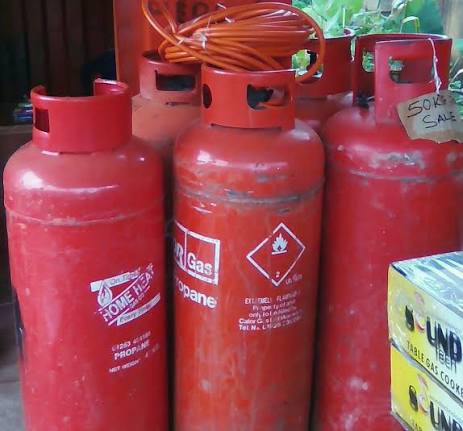
IRAN CONFLICT PUTS PRESSURE ON NIGERIA’S COOKING GAS SUPPLY
Nigeria’s cooking gas market is facing fresh supply concerns following disruptions linked to the ongoing conflict involving Iran and other countries in the Middle East. Industry operators said the instability has affected international shipping and disrupted supply routes, creating uncertainty around the availability and cost of Liquefied Petroleum Gas in Nigeria.
The development has raised concerns among importers, distributors and consumers because Nigeria still relies partly on imported LPG to meet domestic demand. Any disruption to international supply chains can increase freight and insurance costs and make it more expensive for suppliers to bring cooking gas into the country, potentially putting additional pressure on retail prices.
Operators in the downstream petroleum sector said the situation has also affected the movement of vessels and access to some international supply routes. They noted that the conflict has created wider uncertainty in global energy markets, with businesses closely monitoring developments because prolonged disruptions could further tighten supplies and increase operating costs.
The impact is particularly significant for Nigerian households that have increasingly turned to cooking gas as an alternative to firewood, kerosene and other cooking fuels. Higher LPG prices could place additional pressure on household budgets, especially at a time when consumers are already dealing with elevated food and transportation costs.
Industry stakeholders have called for measures to strengthen domestic LPG supply and reduce Nigeria’s exposure to external shocks. They said expanding local gas processing and storage capacity, improving distribution infrastructure and ensuring a reliable domestic supply chain would help cushion consumers against future disruptions in the international energy market.