


SPORTS
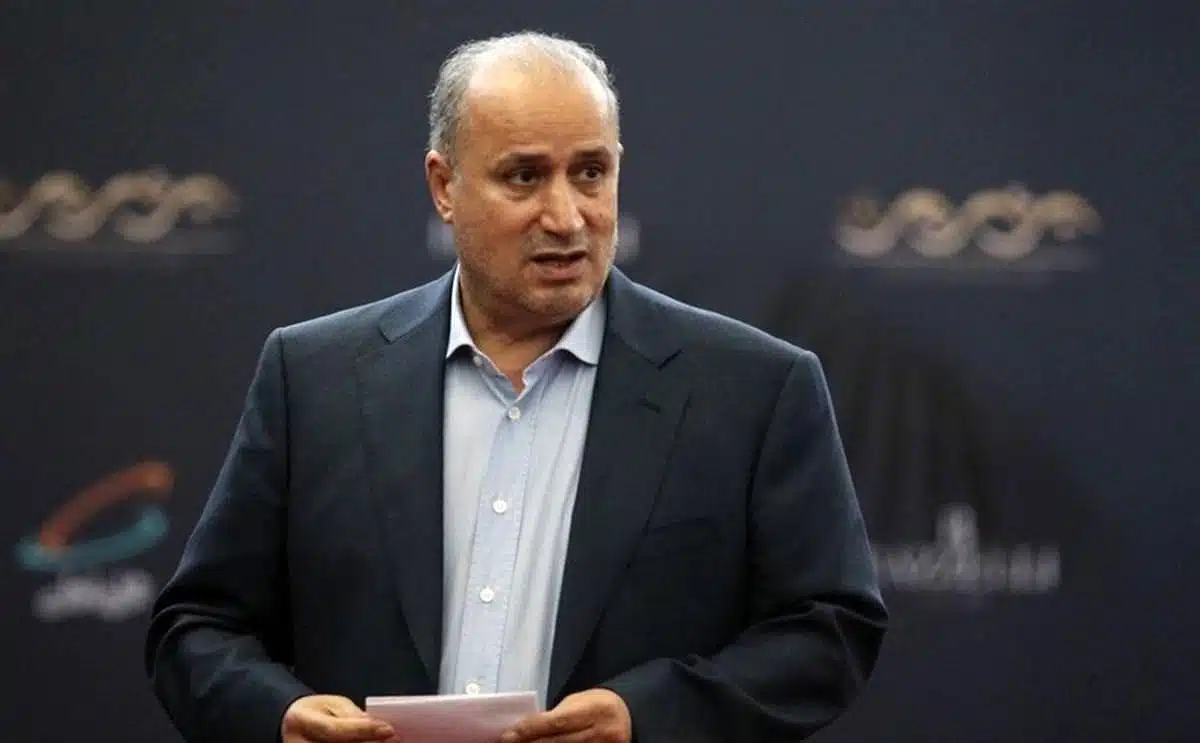
IRAN INSISTS ON WORLD CUP PARTICIPATION DESPITE POLITICAL TENSIONS WITH US
As global excitement builds for the 2026 World Cup, a different kind of tension is quietly unfolding—one that goes beyond football and into the complex world of politics and diplomacy.
At the centre of it is Iran.
The president of the Iranian Football Federation, Mehdi Taj, has made it clear that Iran’s participation in the tournament is non-negotiable, regardless of rising political friction with the United States.
Speaking to BBC Sport, Taj emphasized a key point: the World Cup is governed by FIFA, not by any single country or political leader.
“Our host is FIFA, not Mr Trump or America,” he said, pushing back against concerns that geopolitical tensions could interfere with Iran’s place in the competition.
The 2026 tournament, set to be hosted across the United States, Canada, and Mexico, is expected to be one of the biggest in history. But for Iran, participation comes with complications.
Recent reports revealed that some Iranian football officials were unable to attend a FIFA Congress in Canada due to alleged links to the Islamic Revolutionary Guard Corps (IRGC), which is classified as a terrorist organisation by several countries.
Taj, who has acknowledged past ties to the IRGC, responded by calling for respect and clear assurances.
“If they guarantee not to insult our military institutions… we’ll go,” he said, referring to travel and participation conditions.
Despite the tension, FIFA has attempted to calm the situation. The organization expressed regret over the visa issues and has invited Iranian officials for further discussions in Zurich. FIFA president Gianni Infantino has also reiterated that Iran remains scheduled to compete as planned.
Still, the situation highlights a recurring challenge in international sports—the delicate balance between politics and competition.
On one hand, Iran insists that football should remain separate from political disputes. On the other, host nations like the United States maintain strict policies regarding individuals linked to certain organisations.
It creates a grey area where sport, identity, and global politics collide.
Taj summed up Iran’s position with a firm but nuanced stance: while the country may politically oppose the United States, it will not boycott the World Cup.
“We are going to the World Cup because we qualified,” he said.
And that statement cuts to the heart of the issue.
Qualification is earned on the pitch—but participation, in moments like this, often depends on forces far beyond it.
As the tournament approaches, the question isn’t just about who will win on the field—but whether the spirit of global unity that football represents can truly rise above political divides.