


HEALTH
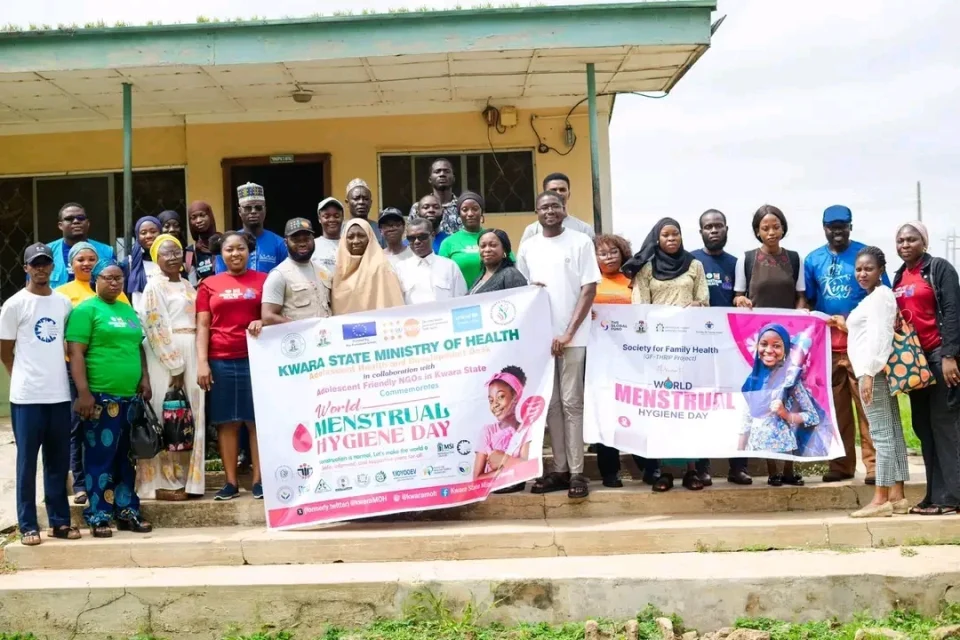
KWARA EXPANDS MENSTRUAL HYGIENE AWARENESS TO SPECIAL NEEDS SCHOOLS
The Kwara State Government has taken another important step in promoting menstrual health awareness by extending its sensitisation campaign to schools for students with special needs.
The initiative, which formed part of activities marking the 2026 World Menstrual Hygiene Day, was designed to ensure that every adolescent, regardless of physical or intellectual ability, has access to accurate information about menstrual health and hygiene.
The programme was organised by the Kwara State Ministry of Health in partnership with adolescent-focused non-governmental organisations operating in the state.
As part of the campaign, health educators visited the Kwara State School for Special Needs and Government Day Secondary School, Fate-Basin. Students who are deaf, blind, living with intellectual disabilities, and other vulnerable groups participated in the awareness sessions.
Speaking during the event, the Adolescent Health Desk Officer, Oladimeji Buhari, explained that this year’s campaign went beyond traditional menstrual hygiene education by actively involving boys in conversations about menstruation.
According to him, the goal is to break long-standing myths, cultural stigmas, and misconceptions that often prevent open discussions about menstrual health.
“Menstruation is a normal biological process, and young girls should never feel ashamed or embarrassed about it,” he said.
Buhari added that involving boys in the conversation helps create a more supportive environment where girls can feel understood and respected rather than judged.
The Principal of the Kwara State School for Special Needs, Rasheedat Jubril, praised the initiative, describing it as a valuable opportunity for students, especially girls with special needs, to learn more about their health and wellbeing.
During the programme, participants received practical information on menstrual hygiene, personal care, and reproductive health. They were also encouraged to seek guidance from trusted adults, teachers, parents, and healthcare professionals whenever they have concerns.
The initiative reflects the state’s commitment to ensuring that no adolescent is left behind when it comes to health education, inclusion, and access to vital information.
By taking menstrual health awareness directly to special needs schools, Kwara State is helping to build confidence, break harmful stereotypes, and promote healthier futures for young people across the state.