


NEWS XTRA
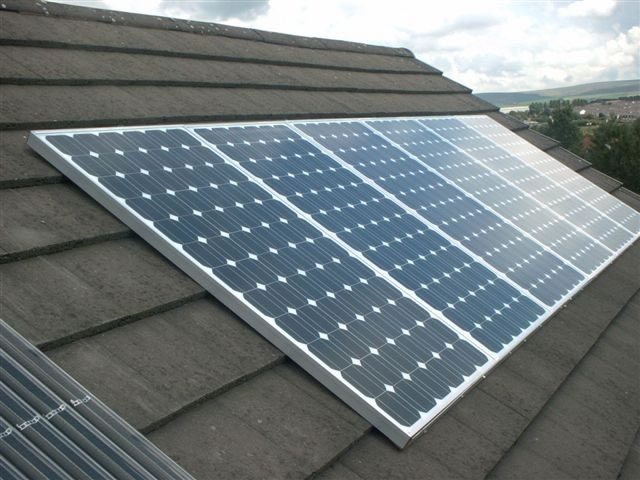
LAGOS EXPLAINS WHY RESIDENTS NEED APPROVAL BEFORE INSTALLING SOLAR PANELS IN GOVERNMENT ESTATES
The Lagos State Ministry of Housing has explained why residents of government-owned housing estates must obtain official approval before installing solar panels or making any external changes to their homes.
The clarification follows a viral video showing ministry officials confronting a resident at the Lagos State Millennium Housing Estate, Ibeshe, over what was described as an unapproved solar panel installation.
In a statement, the Permanent Secretary of the Ministry, Abdulhafis Toriola, said the approval requirement is clearly stated in the Letter of Allocation and Allottees Guide given to residents at the point of purchase.
According to him, any modification to government-allocated flats, including solar panel installation, must first be approved by the Ministry.
He explained that these estates are built as social housing schemes with shared infrastructure such as rooftops, walls, and water systems, meaning that changes made by one resident can affect others in the same building.
The Ministry also said the rule is necessary to prevent disputes, especially in cases where multiple residents in a single block may want to install solar panels on limited roof space.
Officials added that the policy helps ensure proper insurance coverage for buildings and reduces risks linked to unsafe or unregulated installations.
Toriola noted that the regulation was introduced after incidents involving leaking rooftops and fire outbreaks were linked to improper solar panel installations in some estates.
He further explained that the guidelines also cover the quality of materials used and the technical competence of installers to ensure safety and structural integrity.
The Ministry clarified that the rule applies only to government-owned housing estates and does not affect private property owners across Lagos State.
The viral video that sparked public debate showed officials questioning a resident over an unapproved installation, leading to confusion online, with many people mistakenly believing the rule applied to all Lagos homes.
In response, the Ministry urged residents of state-owned estates to always seek clarification and follow approval procedures before making any structural changes.
It stressed that the policy is aimed at ensuring safety, preventing conflicts among residents, and maintaining the integrity of public housing infrastructure.