


BUSINESS
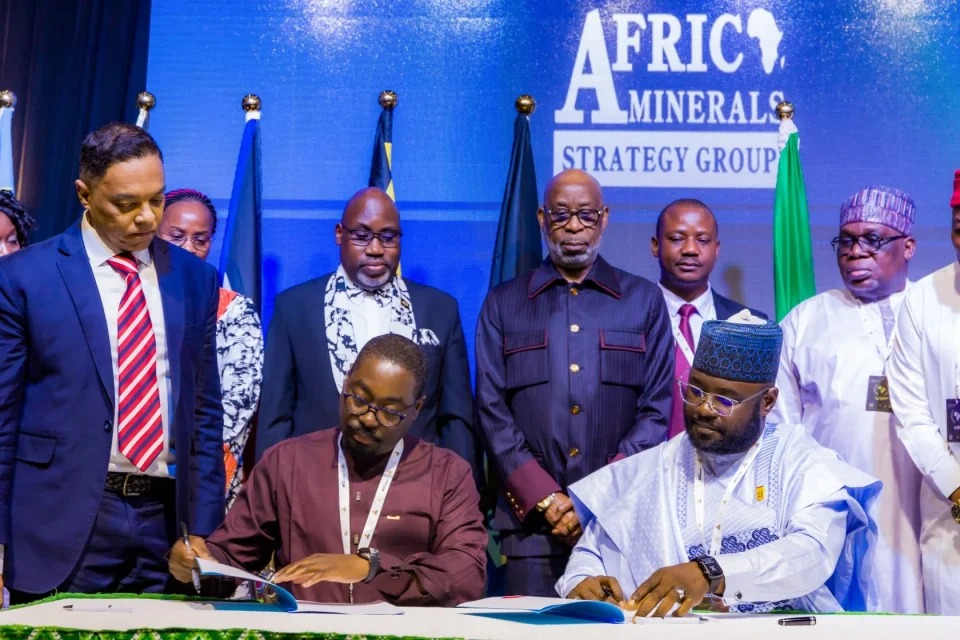
MINING FIRMS PARTNER TO BOOST LOCAL PROCESSING OF LITHIUM, RARE EARTH DEPOSITS
Leading mining companies operating in Nigeria have formed a strategic partnership to establish local processing facilities for lithium and rare earth elements, aiming to shift from raw mineral exports to high-value domestic refining and boost the country’s industrialisation drive.
The consortium, which includes major players such as Thor Explorations, African Lithium Resources, and international partners, announced the initiative on Friday during a stakeholders’ forum in the capital. The partnership seeks to develop integrated processing plants in mineral-rich states like Nasarawa, Kaduna, and Cross River, where significant lithium and rare earth deposits have been confirmed.
Group Managing Director of one of the partnering firms, Mr. Adewale Ogunmefun, described the move as “a game-changer for Nigeria’s mining sector.” “For too long, we have exported raw materials at low prices only to import finished products at exorbitant costs. This collaboration will create local value addition, generate thousands of jobs, and position Nigeria as a key player in the global electric vehicle and renewable energy supply chain,” he stated.
The project will focus on building midstream processing capabilities, including spodumene concentrate refining for lithium and separation facilities for rare earth oxides. Initial investment is projected at over $500 million, with phased implementation expected to commence in the first quarter of 2027.
The Federal Government has welcomed the partnership, aligning it with the Renewed Hope Agenda’s push for resource-based industrialisation. Minister of Solid Minerals Development, Dr. Dele Alake, assured full regulatory support and incentives under the Nigerian Minerals and Mining Act. “Local processing of lithium and rare earths will enhance revenue, attract foreign direct investment, and support technology transfer,” he noted.
Industry experts highlight the strategic importance of these minerals in the global green energy transition. However, challenges such as infrastructure deficits, skilled manpower shortages, and environmental concerns remain. The partners pledged adherence to international best practices in sustainable mining and community development.
The initiative is expected to reduce Nigeria’s dependence on raw commodity exports and strengthen its position within the African Continental Free Trade Area (AfCFTA). Stakeholders anticipate that successful implementation could catalyse broader growth in the solid minerals sector and contribute significantly to economic diversification.