


NEWS XTRA
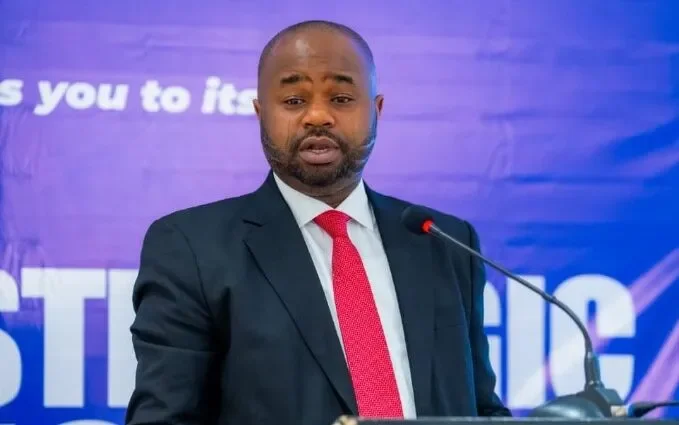
MODERN TAX SYSTEMS AUTOMATED, DIGITAL, DATA-DRIVEN – NRS BOSS
The Executive Chairman of the Nigeria Revenue Service, Zacch Adedeji, has stated that the successful implementation of Nigeria’s historic tax reforms depends on a shift to a digital-first, data-driven environment.
Speaking at the FCT-Internal Revenue Service event in Abuja on Monday, themed ‘Harmonising Revenue Systems and Implementing New Tax Laws,’ Adedeji noted that the 2025 Tax Reform Acts, which took full effect on January 1, 2026, provide the legal framework for a fairer economy but cannot function effectively through manual or paper-based processes. He highlighted that transitioning to “tax intelligence” is crucial to achieving the ₦40.71 trillion 2026 revenue target without raising tax rates.
Represented by the Executive Secretary of the Joint Tax Board, Olusegun Adesokan, Adedeji said the reforms aim to reposition Nigeria’s domestic revenue architecture. He emphasised that their ultimate success depends on effective implementation at the sub-national level, where policy directly interacts with citizens and businesses.
Adedeji warned that fragmented revenue systems, multiplicity of taxes, illegal roadblocks, and informal collection mechanisms undermine compliance, increase business costs, and erode public confidence. He advocated for coordinated frameworks among the FCT Administration, FCT-IRS, and Area Councils, with shared data systems, clear delineation of functions, and uniform compliance protocols.
He stressed the importance of technology: “Modern tax systems are digital. They are data-driven and automated. Integrated taxpayer databases, electronic payment platforms, real-time reporting, and analytics-based compliance monitoring are no longer optional. They are foundational to effective fiscal governance.”
Also speaking, Acting Executive Chairman of the FCT-IRS, Michael Ango, said harmonisation is aimed at improving efficiency, not usurping responsibilities. He added that the initiative would eliminate duplicity and multiplicity of taxes in the FCT while ensuring revenue goes to its constitutionally designated recipients.
Ango noted that the broader vision is to make the FCT more livable by funding infrastructure such as roads, hospitals, schools, and bridges. He also confirmed that timelines for domestication of national tax reforms depend on the legislature, but assured stakeholders that issues of multiple taxation and duplication would soon be resolved.
The Federal Government commenced enforcement of the new tax regime on January 1, 2026, introducing four major laws: the Nigeria Tax Act 2025, Nigeria Tax Administration Act 2025, Nigeria Revenue Service Establishment Act 2025, and Joint Revenue Board Establishment Act 2025.