


CRIME & PUBLIC HEALTH
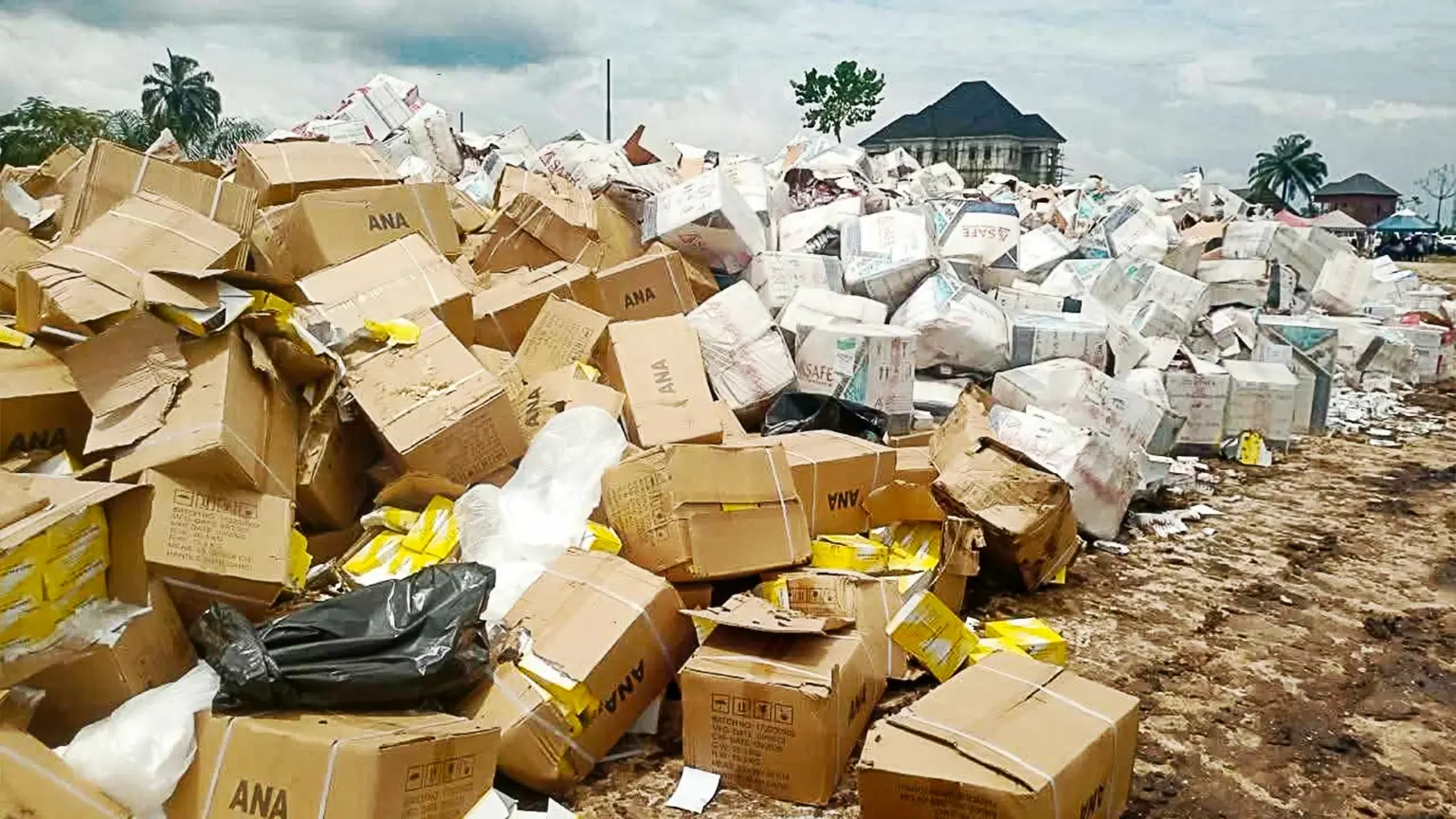
NAFDAC DESTROYS N2.6B FAKE, EXPIRED PRODUCTS IN RIVERS
The National Agency for Food and Drug Administration and Control (NAFDAC) has destroyed fake, expired and substandard products valued at ₦2.6 billion in Rivers State as part of efforts to protect public health and prevent unsafe goods from reaching consumers.
The exercise highlights the agency’s ongoing campaign against the circulation of counterfeit and unfit products, which can pose serious risks to Nigerians when sold or consumed.
Fake and expired products remain a major concern in Nigeria’s markets, particularly when consumers unknowingly purchase goods that have been improperly stored, falsified or kept beyond their approved shelf life. Such products may include medicines, packaged foods, drinks, cosmetics and other regulated items.
Consuming expired food or using unsafe medicines and cosmetics can expose people to health complications. Counterfeit medicines are particularly dangerous because they may contain incorrect ingredients, inadequate amounts of active substances or potentially harmful materials.
NAFDAC’s destruction exercise is intended to ensure that seized products are permanently removed from circulation rather than finding their way back into shops and distribution networks.
The operation also serves as a warning to manufacturers, importers, distributors and retailers who engage in the production or sale of counterfeit and substandard goods. Businesses are expected to comply with regulatory requirements and ensure that their products meet approved safety and quality standards.
Consumers are equally encouraged to check expiry dates, inspect packaging and verify product registration details before making purchases. Suspicious products should be reported to NAFDAC or other relevant authorities.
The destruction of products worth ₦2.6 billion underscores the scale of the challenge facing regulators and the importance of sustained market surveillance.
However, beyond destroying seized goods, continued enforcement, public education and cooperation with traders will be necessary to prevent counterfeit products from entering the supply chain in the first place.
For Nigerians, the ultimate goal is to ensure that the medicines they take, the food they consume and the everyday products they use are safe, genuine and fit for purpose.