


BUSINESS &ECOMONY
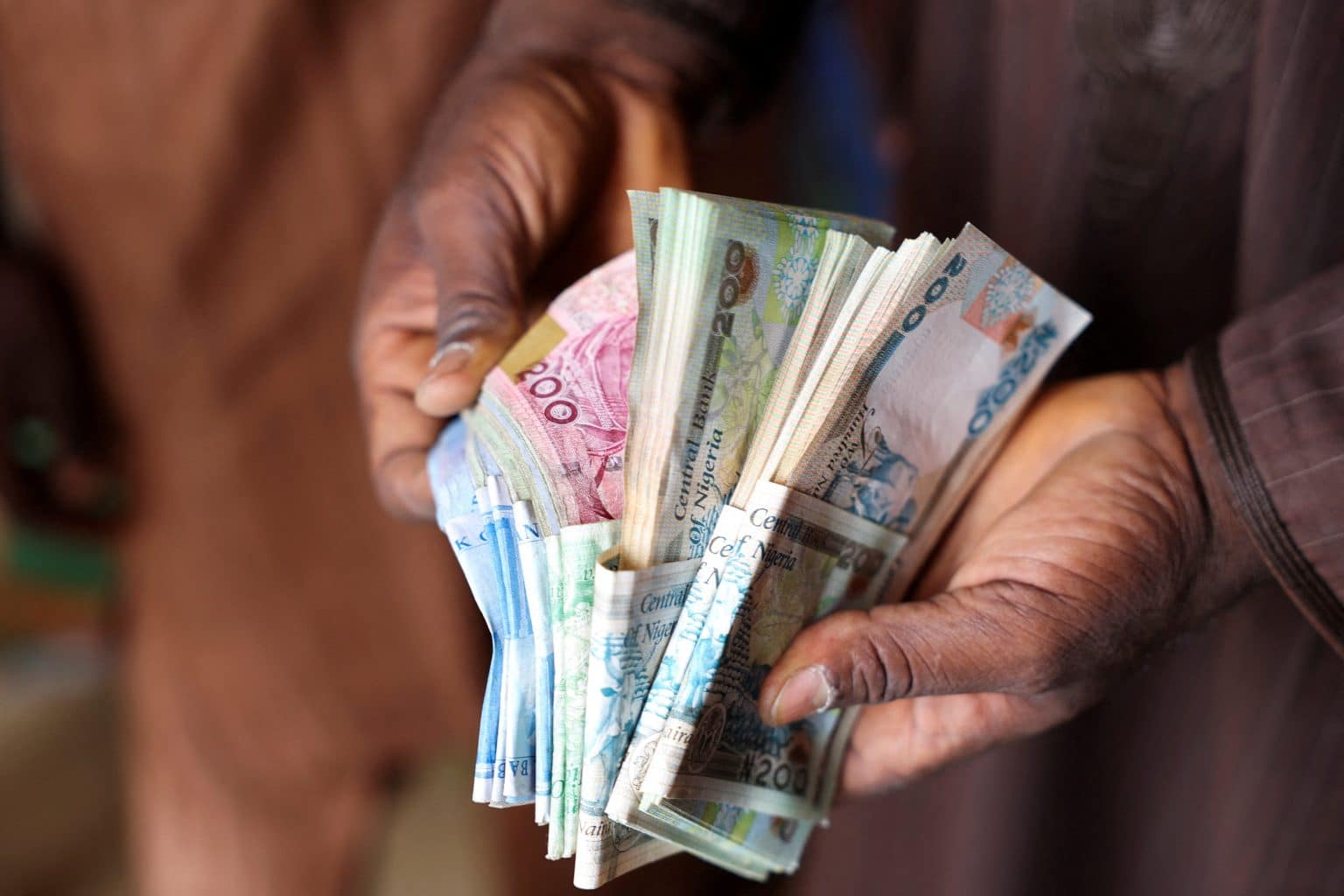
NAIRA GAINS SLIGHTLY AT OFFICIAL MARKET, DROPS AT BLACK MARKET
Naira Records Mixed Performance: Slight Recovery at Official Market, Drops at Parallel Market
The Nigerian Naira showed signs of recovery on Thursday, gaining slightly against the US dollar at the official foreign exchange market. According to the Central Bank of Nigeria (CBN), the naira appreciated to ₦1,533.55 per dollar, up from ₦1,534.52 recorded on Wednesday—marking a ₦0.97 day-to-day gain.
This comes after the currency had depreciated on Wednesday for the first time in days at the official rate.
However, the story was different at the parallel (black) market. There, the naira fell to ₦1,560 per dollar, down from ₦1,545 the previous day, representing a ₦15 drop.
Abubakar Hassan, a Bureau De Change (BDC) operator in Wuse Zone, Abuja, said the dip in the black market was due to a surge in demand for foreign currency on Thursday. “We saw more people coming to buy dollars, and that pressure made the rate go up,” he explained.
While the official market showed marginal stability, the black market's volatility highlights the ongoing challenges in Nigeria's foreign exchange landscape.
Analysts continue to call for stronger monetary policies and effective FX supply strategies to stabilize the naira in both official and parallel markets.
For now, Nigerians are watching closely, as fluctuations in the exchange rate continue to affect the cost of imports, travel, and overall economic activity.