


NATIONAL NEWS
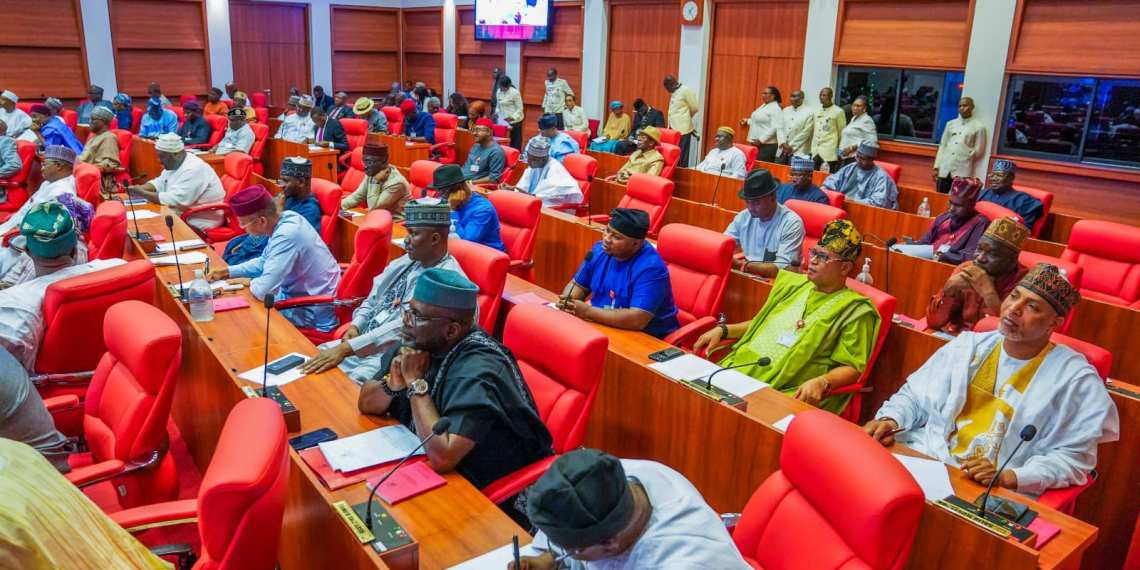
NEW CURRICULUM: SENATE MOVES TO STOP WAEC, SUMMONS MINISTER OF EDUCATION
The Senate has directed its Committee on Basic and Secondary Education to summon the Minister of Education, Tunji Alausa, along with heads of key education agencies, over what lawmakers described as the abrupt rollout of a new curriculum and registration guideline by the West African Examinations Council (WAEC).
The resolution followed a motion by Senator Sunday Karimi (APC, Kogi West), who cautioned that the sudden change could trigger widespread failure among students preparing for the 2026 Senior Secondary Certificate Examination (SSCE).
While presenting the motion, Karimi criticised the “rushed and poorly planned” policy shift by the Federal Ministry of Education and WAEC. He explained that the new rule compels all SS3 students nationwide to switch to a curriculum originally designed for candidates currently in SS1, who are expected to write their examinations between 2027 and 2028.
He pointed out that the change has removed subjects such as Computer Studies, Civic Education, and several others from the 2026 WAEC syllabus, despite years of student preparation. According to him, many candidates would now be left with only six examinable subjects instead of the minimum requirement of eight or the usual maximum of nine.
Karimi stressed that the Senate must intervene in accordance with Section 14(2)(b) of the 1999 Constitution, which prioritises citizens' welfare, and Section 18, which obligates the government to ensure equitable and adequate educational opportunities across all levels.
Speaking on the issue, Senator Adams Oshiomhole (APC, Edo North) condemned what he described as a “disorderly approach” to policy execution. He criticised the introduction of a new curriculum without proper teacher training, laboratory facilities, equipment, or sufficient notice to schools and parents.
“You cannot suddenly announce that students will be examined in subjects they were never taught. Good intentions are not enough—proper groundwork is essential,” he said.
Oshiomhole urged the Senate to demand proof of full readiness from the Minister and relevant education bodies before approving any major changes.
Also contributing, Senator Idiat Adebule (APC, Lagos Central) noted that major education reforms must pass through the National Council on Education, which involves all state commissioners. She called for a broader probe into the entire curriculum review process.
In his ruling, Senate President Godswill Akpabio directed that the Minister of Education, heads of relevant agencies, and the Senate Committee on Basic and Secondary Education meet to resolve the concerns raised. He acknowledged that the Senate had already upheld one recommendation excluding current SS3 students from the new policy but insisted on further consultations before any final decisions.
“These are serious issues,” Akpabio said. “We cannot afford mass failure in the 2026 WAEC examinations. The committees should invite the Minister immediately and report back within two weeks.”