


POLITICS
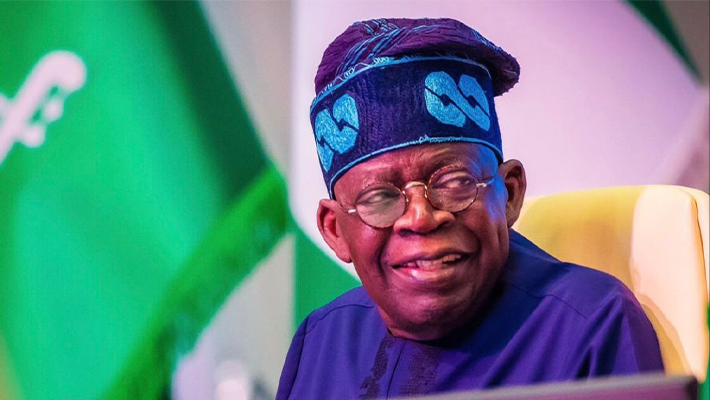
NIGERIA NOT TURNING INTO A ONE-PARTY STATE, TINUBU MAINTAINS
President Bola Ahmed Tinubu has reiterated that Nigeria is not drifting toward a one‑party political system, dismissing concerns from critics who say the ruling party’s dominance could undermine democratic competition.
Tinubu made the remarks during a press briefing in Abuja on Thursday, where he addressed growing speculation about the political landscape ahead of the 2027 general elections. According to the President, the administration remains committed to upholding the principles of a pluralistic democracy and ensuring a level playing field for all registered political parties.
“We are not turning Nigeria into a one‑party state,” Tinubu said. “Our government respects the constitutional rights of opposition parties and will continue to foster an environment where diverse voices can thrive.”
The President acknowledged that the ruling party currently holds a majority of political offices across the states and at the federal level, but emphasized that electoral successes do not equate to a shift in the nation’s democratic framework.
Tinubu also urged political actors to focus on issue‑based campaigns and constructive engagement rather than fueling unnecessary fears about the country’s democratic direction. He reaffirmed that the Independent National Electoral Commission (INEC) will conduct free and fair elections, and that all parties will have equal opportunity to participate.
Political analysts say Tinubu’s comments aim to reassure both local and international stakeholders about Nigeria’s commitment to democratic norms, even as the ruling party consolidates power in some regions.
Critics, however, argue that a truly competitive political system requires not just rhetorical assurances but tangible reforms that empower opposition parties and safeguard electoral integrity.
As Nigeria approaches another critical electoral cycle, debates over political plurality and governance will likely continue to shape public discourse.