


NATIONAL NEWS
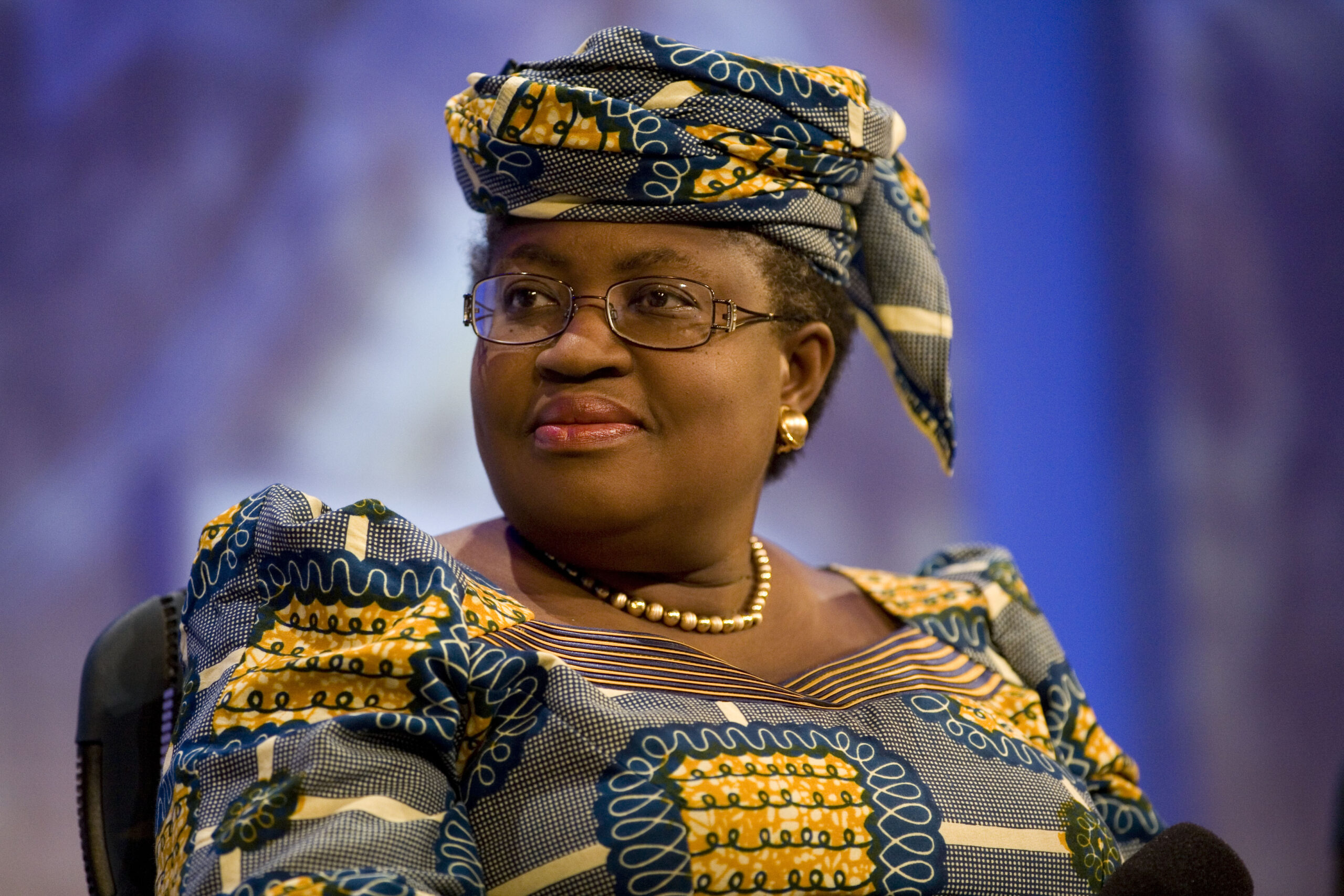
NIGERIA WELL-POSITIONED TO TAP GLOBAL SUPPLY CHAINS — OKONJO-IWEALA
The Director-General of the World Trade Organization (WTO), Dr. Ngozi Okonjo-Iweala, has urged Nigeria to strategically attract global investors and tap into supply chain relocations to drive job creation, strengthen manufacturing, and reduce import dependence.
She made the remarks on Wednesday in a short clip shared by GLAZIA on X from a discussion titled “From Scale to Capital: Financing Nigeria’s Role as Africa’s Digital Trade and Infrastructure Anchor,” held at Nigeria House during the ongoing World Economic Forum in Davos.
Okonjo-Iweala noted that rising geopolitical tensions, particularly between the United States and China, have accelerated global supply chain diversification. Companies are increasingly adopting “China+1” sourcing strategies to mitigate single-country risks, even as China remains a key player in many global value chains. Trade tariffs and restrictions have further encouraged firms to reconsider dependence on dominant suppliers, prompting the relocation or diversification of production hubs.
According to her, these shifts present a significant opportunity for Nigeria to integrate into global supply chains, but capturing this potential requires proactive and aggressive investor outreach.
She said, “Some good reforms are underway, but they need to translate into job creation. We need to move from stabilization to creating employment opportunities, because that is where we are currently lacking. It won’t happen overnight, but progress is being made in the right direction. What is crucial now is to map out where the opportunities lie.
“I would like to see continued efforts to attract investment into Nigeria, because the current global environment provides a unique chance to capture supply chains. Everything we can do to showcase Nigeria as an investment-worthy destination should be pursued.
“We must adopt deliberate strategies to secure these investments—reaching out to China, the US, or anywhere else necessary. While supply chain diversification is largely moving within Asia, Nigeria has the potential to attract a significant share.
“Take solar panels, for instance—we import them, yet we have the capacity to manufacture locally. In fashion, we should invite investors to produce locally rather than relying on imports. Many of the textiles we wear today are not made in Nigeria; we can change that.
“There are also opportunities in pharmaceuticals, which are among the supply chains we should target for investment.”
The panel also featured Dr. Oludapo Olusi, Managing Director of the Bank of Industry.
Meanwhile, Nigeria’s Minister of Finance and Coordinating Minister of the Economy, Mr. Wale Edun, told Bloomberg during Day 2 of #WEF26 that in a time of global fragmentation, Nigeria is focusing on fiscal discipline, reform credibility, and sustained dialogue.
He stated, “Our short-term goal is to raise the tax-to-GDP ratio to 18 percent and channel resources into social services and infrastructure.”
Edun emphasized that Nigeria remains committed to fiscal discipline, attracting investment, and leveraging its resources to ensure sustainable growth amid a fragmented global economy.