


BUSINESS
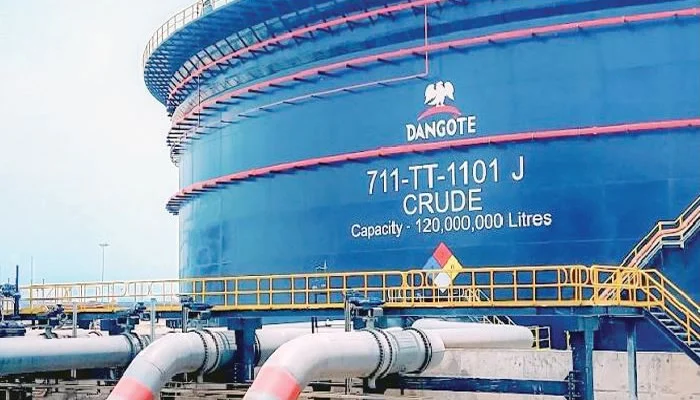
‘NIGERIAN MARKETERS IMPORT DANGOTE FUEL VIA LOME HUB’
Nigerian petroleum marketers are reportedly importing refined fuel products linked to Dangote refinery operations through the Lomé hub, according to industry sources.
The development has sparked renewed debate over fuel distribution channels and cross-border trade routes in the West African downstream petroleum sector.
Sources in the oil marketing sector say the Lomé hub has become a strategic transit point for fuel cargoes destined for Nigerian markets, due to logistical and regulatory considerations.
Industry stakeholders argue that the arrangement reflects ongoing complexities in regional fuel supply chains, particularly as domestic refining capacity begins to expand.
Analysts note that despite increased local production, supply gaps, pricing structures, and distribution constraints continue to influence how fuel reaches Nigerian consumers.
Some marketers are said to be leveraging offshore trading hubs to optimize procurement costs and ensure steady product availability in the face of domestic market pressures.
Energy experts have called for greater transparency in petroleum import and distribution systems to ensure fair pricing and efficient supply management.
The situation has also raised policy questions about the effectiveness of deregulation and the role of local refineries in meeting national demand.
Authorities and regulators are expected to monitor the development closely as Nigeria continues to adjust to changes in its downstream petroleum landscape.
Stakeholders say clearer coordination between producers, marketers, and regulators will be essential to stabilise fuel supply and pricing in the long term.
"This represents a significant development in our ongoing coverage of current events."— Editorial Board