


BREAKING NEWS
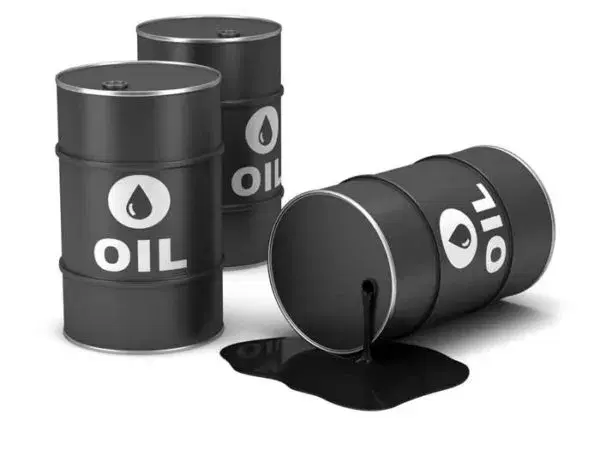
NIGERIA’S STRATEGY TO REDUCE THE IMPACT OF GLOBAL OIL SHOCKS
For a country as oil-dependent as Nigeria, global oil price shocks are never just international headlines they quickly become local realities.
From rising fuel prices to increased transportation costs and higher food prices, fluctuations in global oil markets often hit Nigerians directly. Even small changes in crude oil prices can ripple through the economy, affecting everything from inflation to household spending.
At the center of this challenge is Nigeria’s long-standing reliance on crude oil exports. While oil generates significant government revenue, it also exposes the economy to external shocks. When global prices fall, national earnings drop. When prices rise, citizens often bear the burden through increased living costs.
One major way to protect Nigerians is by strengthening local refining capacity. By reducing dependence on imported fuel, the country can better control domestic pricing and limit exposure to global supply disruptions. This is where institutions like Nigerian National Petroleum Company Limited play a key role in managing supply and stabilizing the market.
Another critical solution is economic diversification. Expanding sectors like agriculture, technology, and manufacturing can reduce the country’s dependence on oil revenue. A more balanced economy is less vulnerable to external shocks and better positioned for long-term growth.
There’s also a growing push toward alternative energy. Investing in gas, solar, and other renewable sources could provide more stable and affordable energy options for Nigerians, reducing the pressure on petrol-dependent systems.
Government policies also matter. Strategic reserves, transparent pricing mechanisms, and targeted subsidies for vulnerable groups can help cushion the impact when global prices spike.
However, protecting Nigerians from oil shocks isn’t just about policy it’s about execution. Many of these solutions have been discussed for years, but real change depends on consistent implementation and accountability.
As global energy markets remain unpredictable, one thing is clear: building resilience at home is the only way to reduce the impact abroad. Until then, global oil shocks will continue to find their way into everyday life in Nigeria.