


GOVERNMENT & POLICY
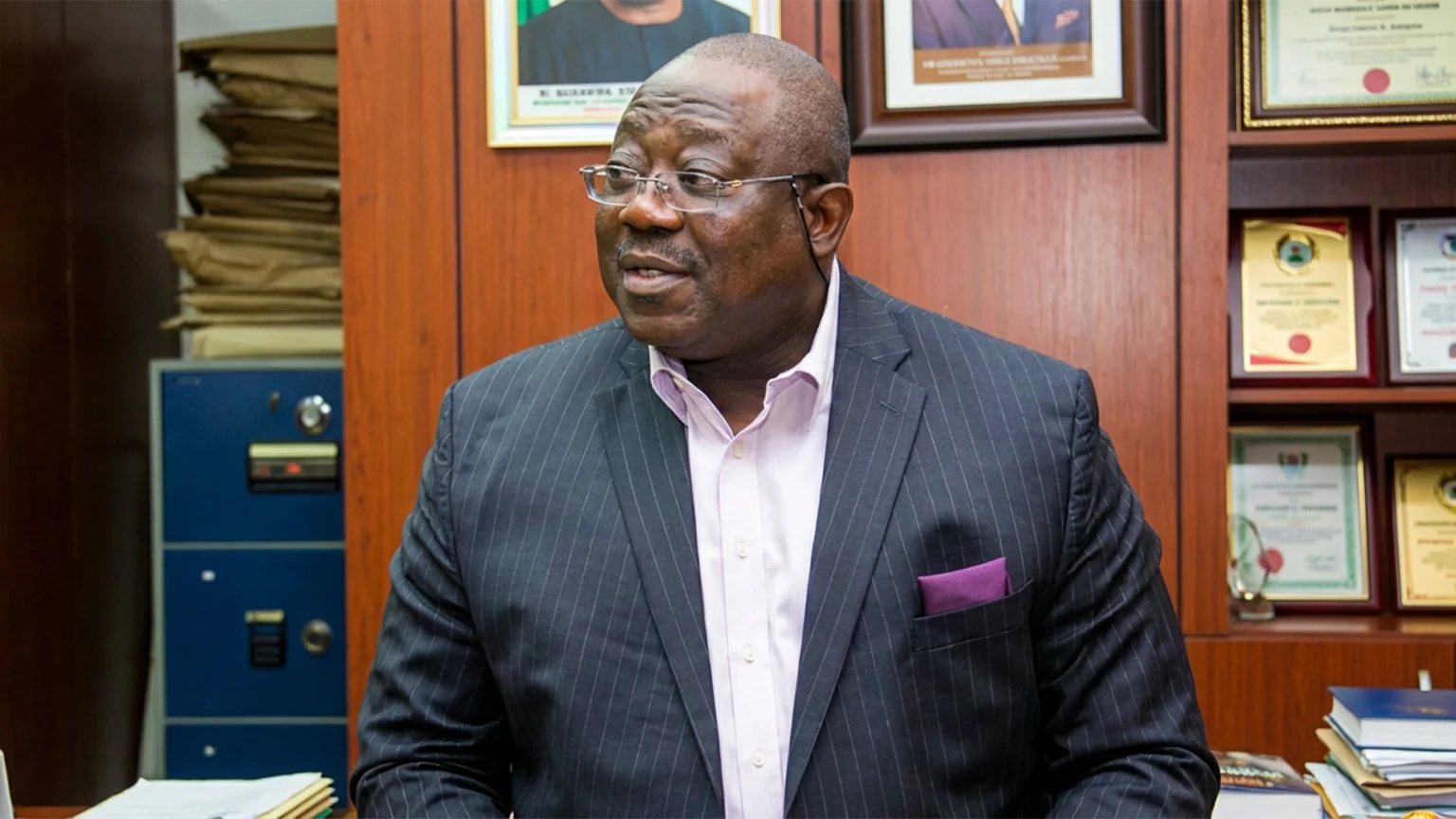
OLAOPA LISTS MILESTONES AT FCSC, SEEKS FG-STATE PACT ON PUBLIC SERVICE
The Chairman of the Federal Civil Service Commission (FCSC), Professor Tunji Olaopa, has highlighted reforms and achievements recorded by the commission, while calling for stronger collaboration between the Federal Government and state governments to improve public service delivery across Nigeria.
Olaopa said building an efficient and responsive civil service requires coordinated efforts across all levels of government, particularly in addressing institutional weaknesses, improving workers' productivity and strengthening professional standards.
He explained that the commission had embarked on several reforms aimed at modernising the federal civil service, improving recruitment processes and strengthening the capacity of public officers to deliver better results.
Among the key areas of progress are efforts to promote merit-based recruitment, improve staff development, strengthen performance management and encourage the adoption of digital technologies in government operations.
The FCSC chairman also emphasised the importance of continuous training and professional development, arguing that civil servants must acquire the skills required to respond to changing administrative demands and emerging technological developments.
He noted that public service reforms would produce better results if federal and state institutions worked together rather than operating independently. According to him, a stronger partnership would encourage the sharing of knowledge, improve policy coordination and promote consistent standards across the country.
Olaopa further stressed the need to address challenges affecting the civil service, including inadequate institutional capacity, weak accountability systems, outdated administrative practices and difficulties attracting and retaining skilled professionals.
He called for a structured Federal Government-state government partnership that would support the implementation of common public service reform objectives while allowing individual states to address their specific administrative needs.
The proposed collaboration is expected to encourage the exchange of best practices, strengthen human resource management and improve the overall performance of government institutions.
Nigeria's public service remains central to implementing government policies, managing public resources and delivering essential services. However, persistent concerns about inefficiency and bureaucratic delays have continued to generate calls for comprehensive reforms.
Olaopa's position highlights the need for a more coordinated approach to public administration, with stronger institutions, skilled personnel and measurable performance targets forming the foundation of a modern civil service.