


PEOPLE & POLITICS
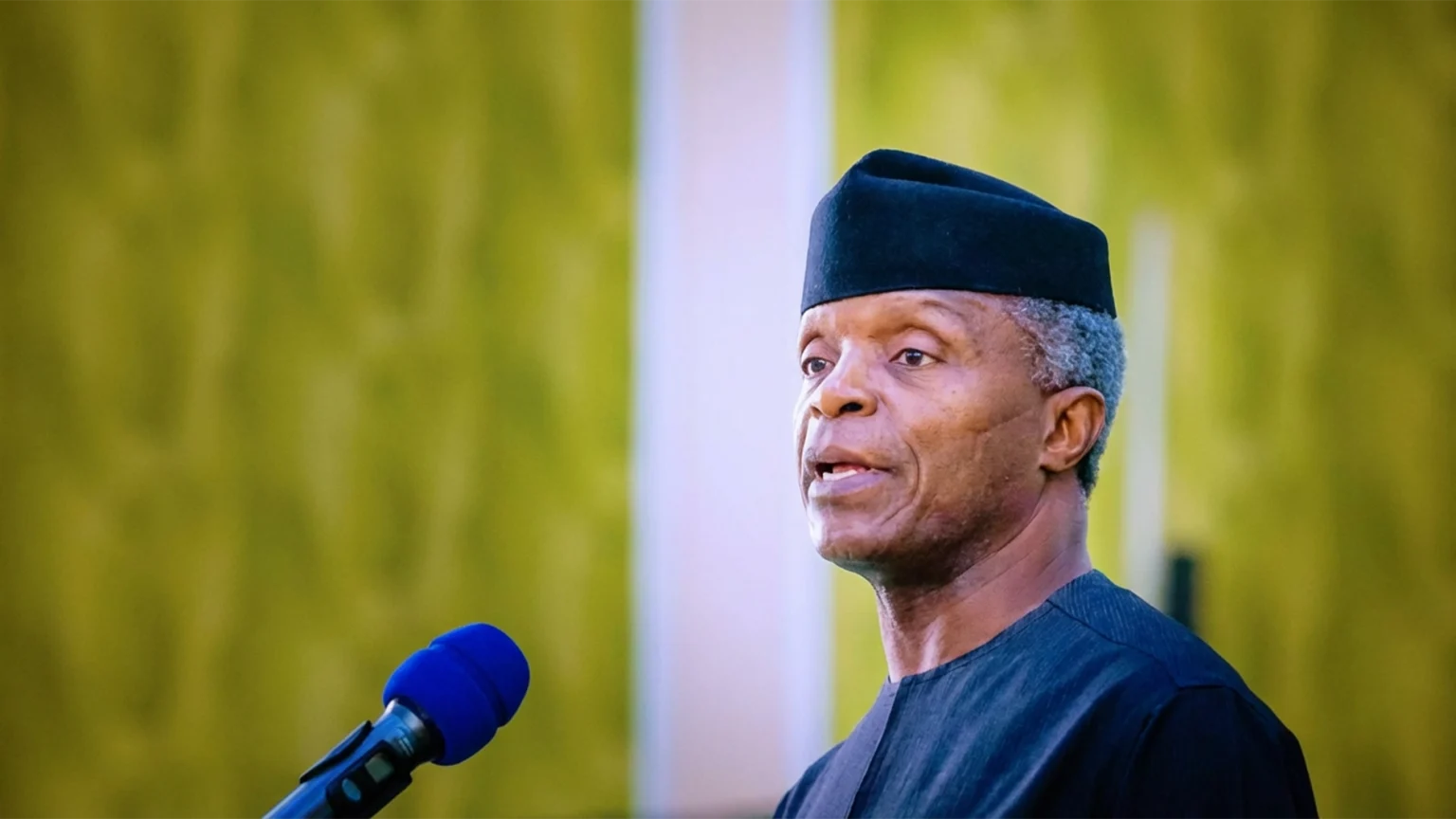
OSINBAJO WARNS OF DECLINING TRUST IN AFRICAN DEMOCRACY
Former Nigerian Vice-President Yemi Osinbajo has warned about declining public trust in democracy across Africa, highlighting concerns over governance, political accountability and citizens’ confidence in democratic institutions.
The warning comes amid growing debates about the ability of democratic systems to deliver meaningful improvements in the lives of ordinary Africans. Although democracy remains a widely recognised framework for political participation and accountability, dissatisfaction can grow when citizens feel that elected leaders are not addressing their needs.
Public confidence in democratic governance is often influenced by economic conditions, security, access to public services and the perceived integrity of elections. Where unemployment, poverty and insecurity persist, citizens may question whether democratic institutions are responding effectively to their concerns.
Concerns about electoral credibility, corruption, weak institutions and limited accountability can further undermine trust. When people believe that their votes have little influence on government decisions, their willingness to participate in democratic processes may decline.
Osinbajo’s warning underscores the need for African governments to strengthen institutions, uphold the rule of law and ensure that public officials are accountable for their actions. Transparent elections and respect for constitutional principles are also essential to maintaining confidence in democratic systems.
Beyond conducting elections, governments must demonstrate that democracy can deliver practical benefits through effective policies, improved public services and opportunities for economic advancement. Citizens are more likely to trust political institutions when they see tangible improvements in their living conditions.
Political leaders, civil society organisations and other stakeholders also have a role in encouraging public participation, protecting fundamental rights and promoting constructive engagement between governments and citizens.
The challenge for African democracies is therefore not only to preserve democratic structures but also to ensure that they remain responsive, inclusive and capable of addressing public concerns.
Restoring confidence will require sustained efforts to improve governance, strengthen institutions and demonstrate that democratic leadership can deliver accountability, justice and meaningful development.