


ECONOMY
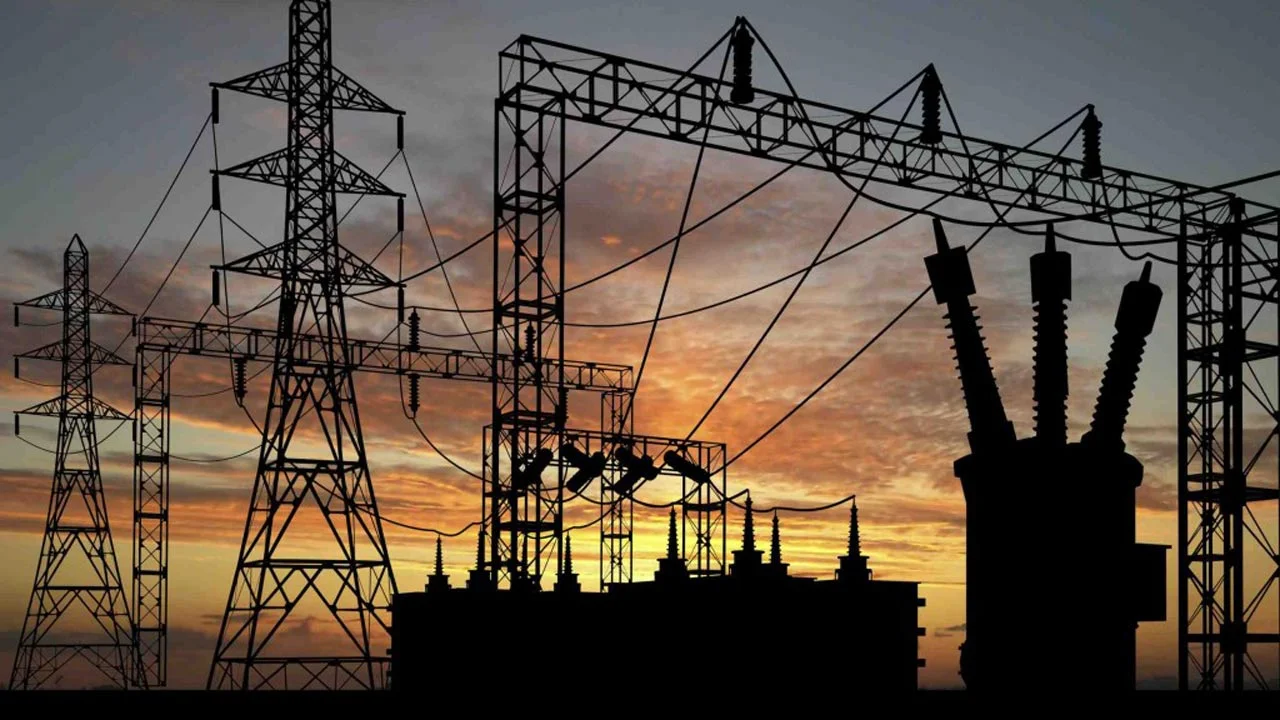
OUTRAGE AS MANY NIGERIANS SPEND CHRISTMAS WITHOUT ELECTRICITY
Many Nigerians across the country are spending this year’s Christmas in darkness due to a nationwide drop in power supply.
The Nigerian Independent System Operator (NISO), which oversees the national grid, had earlier attributed the disruption to an explosion at the Escravos-Lagos Gas Pipeline in Delta State. The pipeline is owned by the Nigerian Gas Processing and Transportation Company (NGPTC), a subsidiary of the Nigerian National Petroleum Company Limited.
In an update on Wednesday night, NISO said power supply would return to normal soon, noting that the gas pipeline repair by NGPTC is near completion.
Despite this, the outage persisted for a majority of Nigerians on Christmas Day, highlighting ongoing challenges in the country’s power sector even years after its privatization in November 2013.
Data from NISO showed that Nigeria’s eleven electricity distribution companies received 3,272 megawatts of electricity from the National Grid for distribution across the country, serving over 250 million people. This shortfall has forced distribution companies to implement load shedding and total outages in some areas.
Nigeria’s available electricity supply has stagnated between 3,000 and 5,000 megawatts over the past 12 years. In 2024, Minister of Power Adebayo Adelabu had promised that the country would reach a target of 6,000 megawatts by the end of December 2025.
Commenting on the situation, the National President of the Nigeria Consumer Protection Network, Kunle Olubiyo, stated that the government cannot build a system on weak foundations.
“You cannot build something on nothing. If the process and systems are flawed, the fallout is what we are seeing today. The power sector was not properly managed before or after privatization,” he said.