


HEALTH
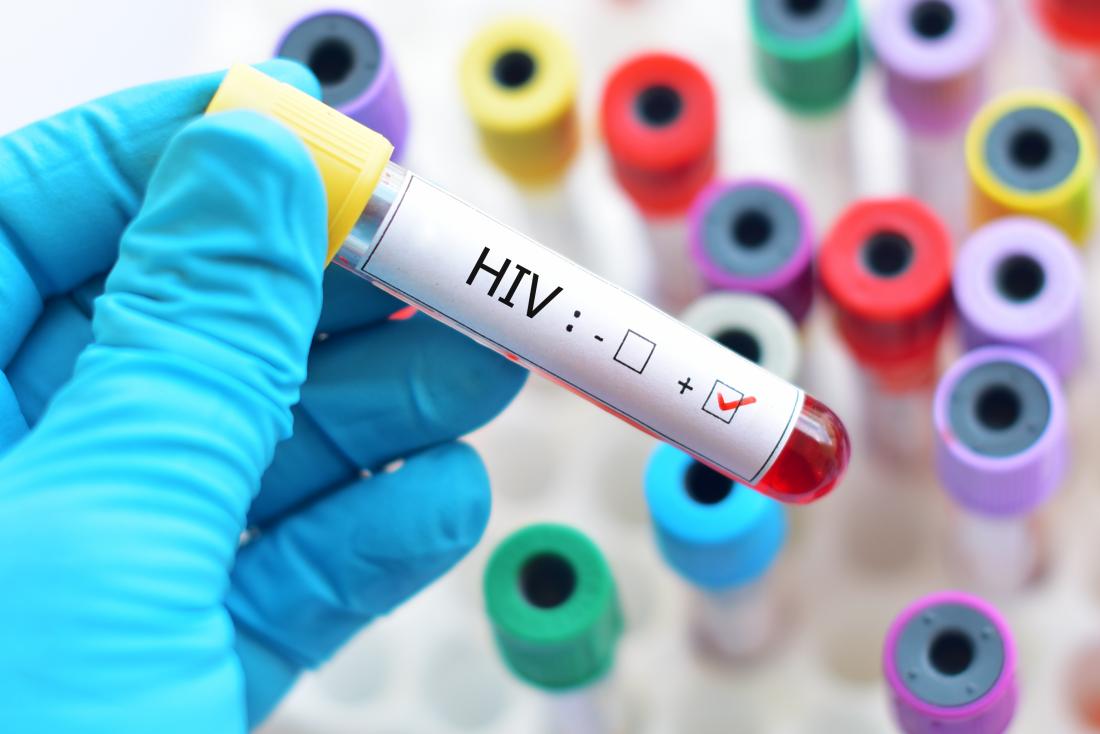
OVER 160,000 LAGOS RESIDENTS LIVING WITH HIV — STATE GOVERNMENT
The Lagos State Government has revealed that at least 160,000 residents are currently living with the Human Immunodeficiency Virus (HIV), based on data covering January to September 2025.
The disclosure was made during the World AIDS Day 2025 press briefing on Thursday, hosted by the Lagos State AIDS Control Agency (LSACA) at Alausa, Ikeja.
Presenting the state’s progress report, LSACA Chief Executive Officer, Dr. Folakemi Animashaun, noted that the figures reflect updated estimates for the year.
“Between January and September 2025, Lagos recorded an estimated 160,000 people living with HIV. Of this number, 147,466 individuals are currently receiving antiretroviral therapy,” she said.
Animashaun commended Governor Babajide Sanwo-Olu for his consistent support of the state’s HIV response, highlighting that the administration’s commitment has strengthened health systems and community structures that deliver prevention, testing, and treatment services.
Addressing the 2025 theme, ‘Overcoming Disruptions: Sustaining Nigeria’s HIV Response,’ she explained that it reflects the challenges Lagos has faced this year, particularly following a Stop Work Order issued by the United States Government that disrupted community-level HIV interventions.
In March, the U.S. Government ended its partnership with the Joint United Nations Programme on HIV/AIDS (UNAIDS), which coordinates global efforts to end AIDS as a public health threat by 2030. This followed President Donald Trump’s January Executive Order titled “Reevaluating and Realigning U.S. Foreign Aid,” which placed a 90-day freeze on foreign assistance for a review of aid commitments.
According to Animashaun, the suspension directly affected Lagos’ HIV response.
“The halt of community activities slowed key services, restricting access to testing, counselling, and psychosocial support,” she said, noting that vulnerable populations were hit hardest.
During the reporting period, Lagos conducted 222,415 HIV tests—just 28.9% of the previous year’s testing volume—a sharp decline that highlights the scale of the disruption. She stressed that this underscores the urgent need to maintain strong community engagement and encourage early testing.
Despite the setbacks, Animashaun praised community-based organizations for quickly adapting and restoring essential services.
“Their resilience has helped the state recover lost ground,” she said.
Providing updates on the ongoing Statewide Community HIV Testing Campaign, which began on November 18, she reported that 9,943 residents have been tested so far, with a 2.0% positivity rate. All individuals who tested positive have been successfully linked to care.
She noted strong participation from women, particularly in Ikorodu, Badagry, Ojo, and Mushin, attributing the success to targeted outreach in markets and densely populated community clusters.
“Positive cases continue to be identified across several local government areas, reaffirming that HIV remains a significant public health issue in Lagos State,” Animashaun said.
She also highlighted the state’s expanded anti-stigma initiatives and outlined planned activities for World AIDS Day, including a Jumat service, a novelty football match, church outreach, an awareness walk, and a stakeholder symposium.
She urged residents to continue supporting the HIV response, saying:
“With collective effort, we can strengthen the HIV response and build a healthier Lagos.”