


BUSINESS
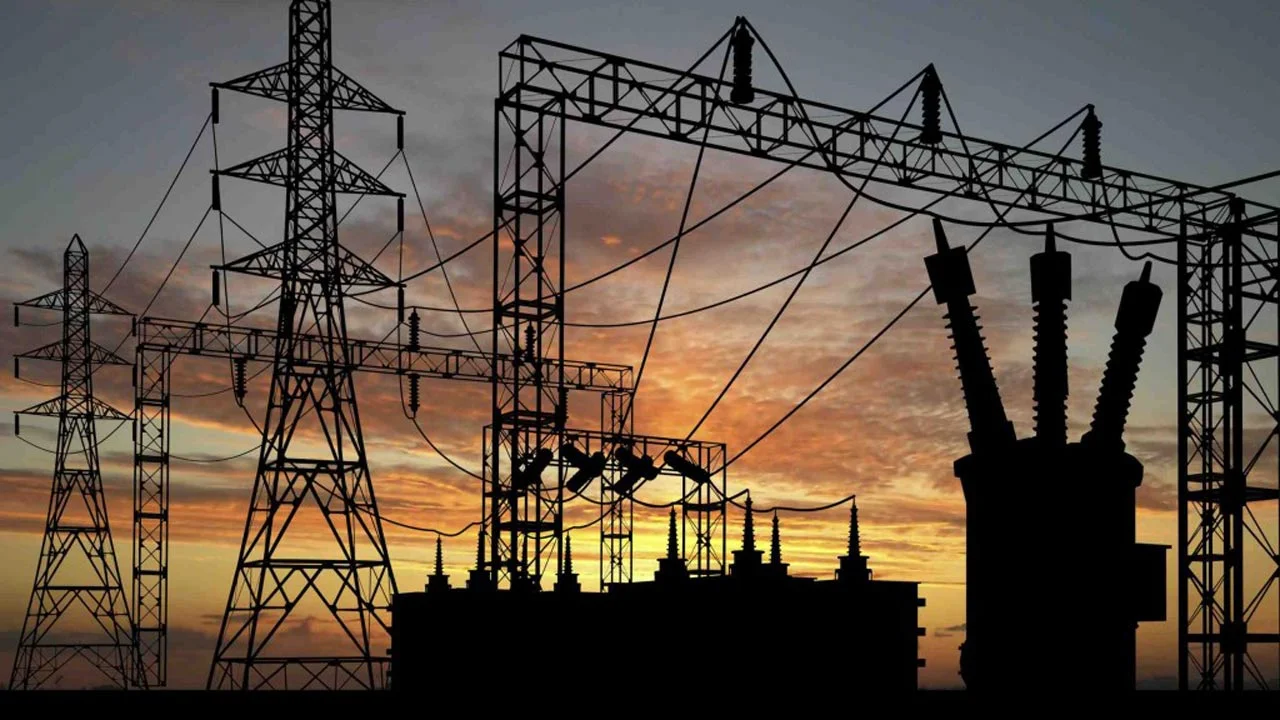
POWER OUTAGES MAY WORSEN AS GENCOS OWE GAS SUPPLIERS N3.3TN
Nigerians may experience a further deterioration in electricity supply as gas suppliers have reportedly threatened to suspend gas delivery to power generation companies over an outstanding debt of about N3.3 trillion.
The Chief Executive Officer of the Association of Power Generation Companies, Dr. Joy Ogaji, disclosed this during an interview on Fresh FM, attributing the prolonged power outages across the country to the huge debts owed to gas suppliers.
According to Ogaji, Nigeria relies heavily on thermal power plants fueled by gas. However, gas shortages have limited electricity generation, with only about 3,334 megawatts supplied to the national grid as of Wednesday.
She also revealed that the Federal Government’s total debt to power generation companies (GenCos) has risen significantly, reaching N6.8 trillion as of the end of February 2026.
Explaining the situation, Ogaji said gas suppliers have made it clear that further supply would depend on immediate payment.
“Gas is currently not available because suppliers have told us that if we want gas in the pipeline, payment must be made upfront. We owe them a substantial amount of money,” she said.
She explained that between 2015 and December 2024, the debt had already climbed to N4 trillion. In 2025, a monthly shortfall of N200 billion added another N2.4 trillion, bringing the total debt to N6.4 trillion by the end of the year.
“With the new year, the debt increased to N6.6 trillion in January 2026 and N6.8 trillion in February,” she added, stressing that the financial burden is a major factor behind the country’s current power challenges.
“It is absolutely correct to say that the debt is responsible for the persistent darkness,” Ogaji stated.
Meanwhile, the Minister of Power, Adebayo Adelabu, said the government is working to address the issue. Speaking through his spokesperson, Bolaji Tunji, the minister noted that efforts are underway in collaboration with the Minister of State for Petroleum (Gas), Ekperikpe Ekpo.
“It is being handled jointly with the Minister of State for Petroleum (Gas),” Tunji said in a brief statement.
Despite these assurances, many Nigerians say they have yet to experience any improvement in electricity supply, as the country continues to struggle with persistent outages that began late last year.
The situation has also compounded economic hardship for households and businesses, particularly as the cost of fuel and diesel has surged to over N1,100 and N1,600 per litre respectively, following a rise in crude oil prices linked to tensions involving the United States, Israel, and Iran.