


INTERNATIONAL
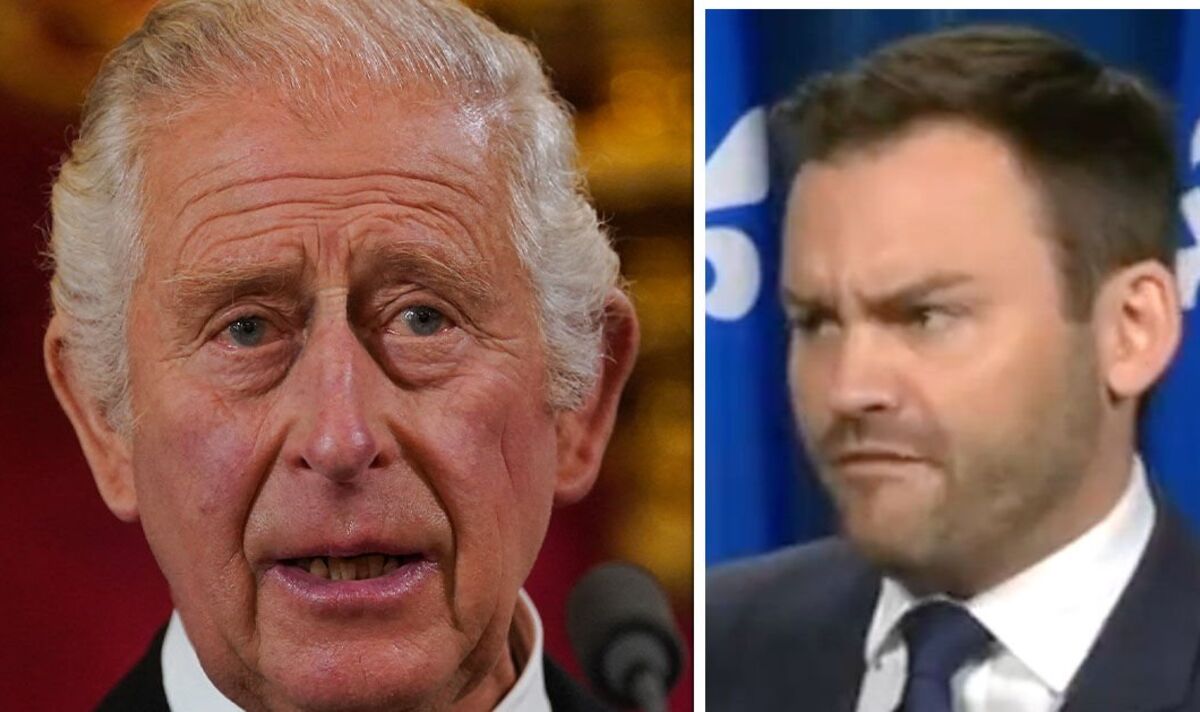
QUEBEC PREMIER REFUSES TO SWEAR ALLEGIANCE TO KING CHARLES, CHALLENGES COURT RULING
Quebec Premier Paul St-Pierre Plamondon has refused to swear allegiance to King Charles III, insisting that he will challenge a court ruling that reinstated the requirement for provincial lawmakers to take an oath to the British monarch.
The Parti Québécois leader, who assumed office last month, said he would pursue every available legal and political option to oppose the requirement.
Speaking to reporters in Montreal, St-Pierre Plamondon declared that he could not pledge allegiance to the British monarch, describing the requirement as undemocratic and a remnant of colonial rule.
His position follows an emergency injunction issued by Quebec Superior Court Justice Ian Demers, suspending a 2022 provincial law that allowed lawmakers to swear allegiance only to the people of Quebec without taking an oath to the monarch.
The judge ruled that Quebec had exceeded its constitutional authority and warned that legislation passed by lawmakers who failed to take the required oath could face legal challenges.
According to reports, all 127 lawmakers elected on October 5 declined to take the royal oath when they assumed office, creating uncertainty over the operations of the provincial legislature.
St-Pierre Plamondon questioned the democratic legitimacy of the constitutional requirement, arguing that Quebec's constitutional arrangement was rooted in British military conquest and colonialism.
Quebec was under British colonial rule from 1763 until the formation of Canada in 1867, and its historical relationship with the monarchy remains a major issue in debates over provincial sovereignty and identity.
During his election campaign, the premier also advocated withdrawing funding from the office of Quebec's lieutenant-governor and promised to abolish the remaining institutions associated with the monarchy.
He maintained that compulsory allegiance to the Crown had no place in a modern democratic society.